Reciprocating Air Compressor Manufacturer and Supplier in South Africa
A reciprocating air compressor is widely used in industrial and commercial applications where compressed air is required at specific pressure levels and operating capacities. Also known as a piston air compressor, this equipment uses a piston-cylinder mechanism to compress air and deliver it to connected pneumatic systems. It is commonly selected for workshops, manufacturing facilities, engineering units, and industrial operations that require reliable compressed air.
Choosing an experienced reciprocating air compressor manufacturer is important for ensuring that the equipment matches the required air delivery, working pressure, and operating conditions. FiltXpert offers industrial air compressor solutions designed to address different compressed air requirements. As a reciprocating air compressor supplier in South Africa, we focus on providing suitable equipment solutions for businesses across different industrial sectors.
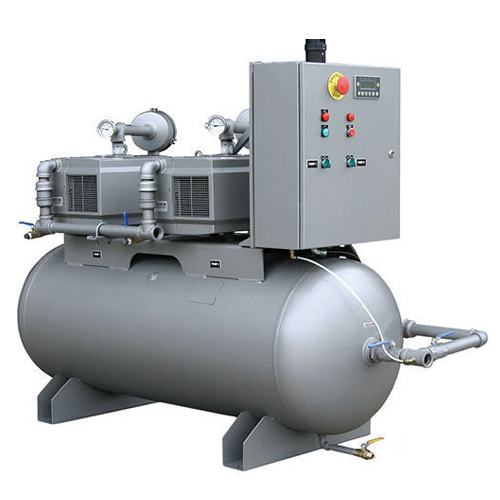
Reciprocating Air Compressor in South Africa
A reciprocating air compressor operates through the movement of a piston inside a cylinder. During the suction stroke, air enters the cylinder through the intake valve. During the compression stroke, the piston moves upward, compressing the air and increasing its pressure before it passes through the discharge valve.
These compressors are available in different capacities, pressure configurations, and designs to suit specific industrial requirements. Depending on the application, buyers can select single-stage or two-stage compression systems, along with suitable air-cooled or water-cooled configurations.
Reciprocating compressors are particularly useful where compressed air demand is intermittent or where an application requires specific pressure output. Selecting the right compressor helps maintain consistent operation and supports the performance of connected pneumatic equipment.
How Does a Reciprocating Air Compressor Work?
A reciprocating air compressor works on the principle of positive displacement. It uses a piston, cylinder, connecting rod, crankshaft, and valves to compress atmospheric air.
The working process generally involves the following stages:
-
Air Intake: The piston moves downward inside the cylinder, creating a pressure difference that allows atmospheric air to enter through the intake valve.
-
Air Compression: The piston moves upward and reduces the available cylinder volume, increasing the pressure of the trapped air.
-
Air Discharge: Once the compressed air reaches the required discharge pressure, the discharge valve opens and releases the air.
-
Air Storage: The compressed air can be delivered to an air receiver tank for storage and distribution to connected equipment.
This compression cycle repeats during operation to provide the required compressed air supply.
Types of Reciprocating Air Compressors
Reciprocating air compressors are available in different designs depending on the required pressure, air delivery, lubrication requirements, and application.
1. Single Stage Reciprocating Air Compressor
A single-stage reciprocating air compressor compresses air in one cylinder stage. Atmospheric air enters the cylinder and is compressed to the required discharge pressure in a single compression process.
These compressors are commonly used in workshops, garages, small manufacturing units, and general-purpose pneumatic applications. They are suitable for operations where the required pressure and air delivery can be achieved through a single-stage arrangement.
2. Two Stage Reciprocating Air Compressor
A two-stage reciprocating air compressor compresses air through two successive stages. Initially, air is compressed in the low-pressure cylinder and then transferred to the high-pressure cylinder for further compression.
Intercooling is generally used between the stages to reduce air temperature before the next compression process. This arrangement is suitable for applications requiring higher discharge pressure and can improve compression efficiency compared with an equivalent single-stage arrangement.
3. Oil Lubricated Reciprocating Air Compressor
Oil-lubricated reciprocating compressors use lubricating oil to reduce friction between moving mechanical components. Proper lubrication helps reduce wear and supports the service life of the compressor.
These compressors are commonly used in workshops, fabrication units, manufacturing facilities, and general industrial applications where the compressed air quality requirements permit oil-lubricated equipment.
4. Oil-Free Reciprocating Air Compressor
Oil-free reciprocating air compressors are designed to minimize the risk of oil contamination in the compression chamber. They are suitable for applications where compressed air purity is an important consideration.
Depending on the required air quality, these compressors may be used in pharmaceutical production, food processing, medical facilities, electronics manufacturing, and other sensitive applications. Additional downstream filtration may still be necessary to achieve the required air purity.
5. High Pressure Reciprocating Air Compressor
High-pressure reciprocating compressors use specialized compression arrangements to achieve higher discharge pressures. Multi-stage compression is commonly used for applications that require pressure levels beyond general-purpose industrial air systems.
These compressors are used in pressure testing, specialized manufacturing processes, cylinder filling, and other applications where high-pressure compressed air is required.
Key Features of Industrial Reciprocating Air Compressors
Industrial reciprocating air compressors are designed with mechanical components and configurations that support different compressed air requirements.
Important features include:
-
Piston-Based Compression: Positive displacement technology provides compressed air through the movement of a piston inside a cylinder.
-
Single and Multi-Stage Options: Different compression stages are available depending on the required discharge pressure.
-
Lubrication Options: Oil-lubricated and oil-free configurations can be selected according to application requirements.
-
Cooling Arrangements: Air-cooled and water-cooled designs are available depending on compressor capacity and operating conditions.
-
Pressure Output: Suitable compressor configurations can be selected for different working pressure requirements.
-
Air Receiver Compatibility: Compressed air can be stored in an air receiver tank to support varying air demand.
-
Service Accessibility: Routine inspection and maintenance of mechanical components help maintain reliable performance.
Actual features depend on the selected compressor model and configuration.
Technical Specifications of Reciprocating Air Compressors
The technical specifications of a reciprocating air compressor vary according to its design, capacity, compression stages, and intended application.
| Technical Parameter | Selection Considerations |
|---|---|
| Compressor Technology | Piston-based reciprocating compression |
| Compression Stages | Single-stage or two-stage |
| Motor Capacity | Selected according to required air delivery |
| Working Pressure | Based on application requirements |
| Air Delivery | Specified in CFM or other flow-rate units |
| Lubrication | Oil-lubricated or oil-free |
| Cooling System | Air-cooled or water-cooled |
| Mounting Arrangement | Tank-mounted, skid-mounted, or other suitable arrangements |
| Power Supply | According to motor and electrical requirements |
| Automation | Manual or automatic control options, depending on model |
For accurate compressor selection, buyers should confirm the required pressure, air delivery, motor capacity, and operating cycle before finalizing the equipment.
Applications of Reciprocating Air Compressors
Reciprocating air compressors are used across different industries because of their positive displacement compression mechanism and availability in different configurations.
Common applications include:
-
Automobile Workshops: Operating pneumatic tools, tyre inflation equipment, spray painting systems, and vehicle maintenance machinery.
-
Manufacturing Industries: Supplying compressed air to pneumatic equipment and production machinery.
-
Metal Fabrication Units: Supporting air-powered tools, cutting equipment, and fabrication operations.
-
Engineering Workshops: Operating drilling machines, impact tools, cleaning equipment, and other pneumatic tools.
-
Pharmaceutical Industry: Oil-free compressed air applications where suitable air purity is required.
-
Food Processing Industry: Supporting selected pneumatic processes that require appropriately treated compressed air.
-
Construction Industry: Operating pneumatic tools and equipment used in construction and maintenance activities.
-
Plastic Manufacturing: Supporting pneumatic operations and selected manufacturing processes.
-
Textile Industry: Supplying compressed air for pneumatic machinery and supporting equipment.
-
Pressure Testing: Providing compressed air at specified pressure levels for testing applications.
The selection of a compressor should depend on the air quality, pressure, and flow requirements of the intended application.
Advantages of Reciprocating Air Compressors
Reciprocating air compressors offer several advantages for businesses that require compressed air for specific industrial and commercial operations.
-
High Pressure Capability: Suitable multi-stage configurations can provide higher discharge pressures.
-
Flexible Configurations: Available in different capacities, compression stages, and lubrication arrangements.
-
Application Versatility: Used in workshops, manufacturing units, engineering facilities, and specialized industrial processes.
-
Simple Compression Mechanism: The piston-cylinder arrangement is based on a well-established compression principle.
-
Maintenance Accessibility: Mechanical components can be inspected and serviced according to the manufacturer's maintenance schedule.
-
Intermittent Operation: Suitable models can support applications with periodic compressed air demand.
How to Choose the Right Reciprocating Air Compressor?
Selecting the right reciprocating air compressor requires evaluating the actual compressed air requirements of your facility. A compressor with insufficient capacity may affect equipment performance, while an unnecessarily large unit can increase initial and operating costs.
Consider these factors before purchasing:
1. Required Air Delivery
Calculate the total compressed air consumption of the connected equipment. Air delivery is generally measured in CFM or another specified flow-rate unit. Consider simultaneous equipment usage and possible future expansion.
2. Working Pressure
Identify the pressure required by the pneumatic tools and machinery. The compressor should provide sufficient pressure while accounting for pressure losses across the piping and air treatment system.
3. Motor Capacity
Select the motor capacity according to the required air delivery and operating pressure. Horsepower alone should not be used to determine compressor suitability.
4. Compression Stages
Single-stage compressors are suitable for applications within their rated pressure range. Two-stage compressors are generally preferred when higher discharge pressures are required.
5. Lubrication Requirements
Choose between oil-lubricated and oil-free configurations based on the compressed air quality requirements of the application.
6. Cooling System
Consider the operating environment, compressor capacity, ventilation, and heat removal requirements when selecting an air-cooled or water-cooled system.
7. Operating Cycle
Evaluate whether the compressor will operate intermittently or for extended periods. The selected model must be suitable for the intended duty cycle.
Reciprocating Air Compressor Manufacturer in South Africa
FiltXpert provides industrial compressed air solutions for businesses looking for reliable compressor equipment. Understanding the technical requirements of an application is an important part of selecting the right reciprocating air compressor.
Our approach focuses on evaluating working pressure, air delivery, motor capacity, compression stages, and operating conditions to identify suitable equipment configurations.
As a reciprocating air compressor manufacturer in South Africa, FiltXpert aims to serve industrial requirements through product solutions designed around practical operating needs. Buyers can share their technical specifications and application details to discuss suitable compressor options.
Reciprocating Air Compressor Supplier in South Africa
Finding a dependable reciprocating air compressor supplier involves considering product suitability, technical information, component availability, and supply coordination.
FiltXpert serves industrial buyers looking for compressed air equipment and related filtration products. Our product range includes air compressor filters, air compressor oil filters, air compressor line filters, air oil separators, and air dryers.
These components are used in compressed air systems to address filtration and moisture-removal requirements. Selecting suitable air treatment equipment alongside the compressor helps protect downstream machinery and maintain the required compressed air quality.
Reciprocating Air Compressor Exporter in South Africa
Industrial buyers in international markets require compressor equipment that matches their technical specifications and operating conditions.
FiltXpert serves domestic and international industrial buyers looking for compressed air equipment and related filtration solutions. As a reciprocating air compressor exporter in South Africa, we focus on understanding application requirements, product configuration, and destination-specific technical considerations.
For export enquiries, buyers should provide details about the required pressure, air delivery, motor specifications, electrical supply, and intended application to help determine a suitable configuration.
Maintenance Tips for Reciprocating Air Compressors
Regular maintenance helps maintain compressor performance, reduce mechanical wear, and minimize unexpected operational interruptions.
Some important maintenance practices include:
-
Check Lubricating Oil: For oil-lubricated compressors, inspect the oil level and replace lubricating oil according to the manufacturer's recommendations.
-
Clean or Replace Air Filters: Inspect intake filters regularly to prevent dust and other particles from entering the compression chamber.
-
Inspect Valves: Check intake and discharge valves for damage, leakage, or performance issues.
-
Monitor Operating Temperature: Ensure that the cooling system and ventilation arrangements function properly.
-
Drain Condensate: Remove accumulated moisture from the air receiver tank at recommended intervals.
-
Check Belts and Connections: Inspect drive belts, electrical connections, and mechanical fasteners for wear or looseness.
-
Monitor Air Leakage: Check pipelines, fittings, and connections to avoid compressed air losses.
-
Follow Service Schedules: Carry out periodic inspections and servicing according to the equipment manufacturer's guidelines.
Proper maintenance helps improve equipment reliability and supports longer operating life.
Why Choose FiltXpert for Reciprocating Air Compressors?
Choosing the right industrial equipment supplier is important for maintaining dependable compressed air operations. FiltXpert focuses on providing industrial air compressor and filtration solutions for different business requirements.
Key reasons to consider FiltXpert include:
-
Industrial compressed air equipment and filtration solutions.
-
Product selection based on application and technical requirements.
-
Solutions for manufacturing, engineering, and workshop applications.
-
Availability of related compressed air filtration products.
-
Product options for different pressure and air delivery requirements.
-
Support for domestic and international industrial enquiries.
Contact Us
Feel Free To Get In Touch With Us
Office Address:
17 Fortune South Industrial Park, S.P.ring road, near Naroda G.I.D.C, nana chiloda, Ahmedabad, Gujarat 382330