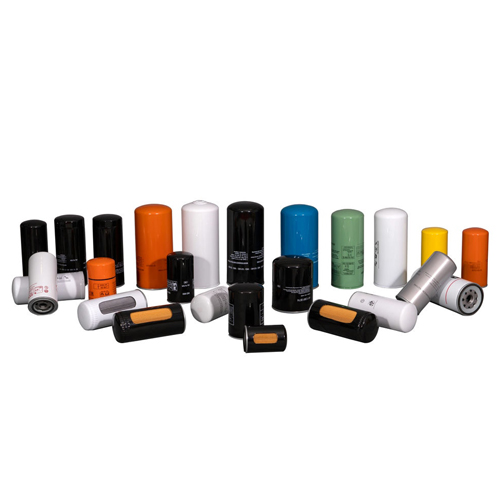
Air Compressor Oil Filter Manufacturer and Supplier in India
An air compressor oil filter plays an important role in maintaining the cleanliness of lubricating oil inside an air compressor system. During operation, compressor oil may collect dust particles, metal residues, carbon deposits and other contaminants. If these impurities continue circulating through the lubrication system, they can contribute to component wear and affect compressor performance.
FiltXpert offers Air Compressor Oil Filters for industrial compressed air applications. These filters are used in compatible compressor systems to remove contaminants from circulating oil and support effective lubrication of internal components. Selecting the correct oil filter according to the compressor model, oil flow requirements and original filter specifications is essential for maintaining the filtration system.
Whether you need a replacement oil filter or are sourcing filters for industrial equipment, the right filter configuration can help maintain oil cleanliness and support regular compressor maintenance.
What Is an Air Compressor Oil Filter?
An air compressor oil filter is a filtration component installed in the compressor's lubrication circuit. Its primary function is to remove solid contaminants from the circulating oil before the oil returns to the components that require lubrication.
In oil-lubricated compressor systems, oil helps perform functions such as lubrication, heat transfer and, depending on the compressor design, sealing. During operation, particles and residues can enter the oil circuit. The oil filter helps capture these contaminants and maintain the cleanliness of the circulating oil.
The filter's construction, filtration rating, dimensions and pressure requirements depend on the compressor design and manufacturer specifications.
How Does an Air Compressor Oil Filter Work?
An air compressor oil filter works by allowing circulating oil to pass through a filtration medium that captures unwanted particles.
The general filtration process includes the following steps:
-
Oil circulation: The compressor's lubrication system circulates oil through the designated oil circuit.
-
Oil enters the filter: Oil containing suspended contaminants flows into the oil filter.
-
Contaminant removal: The filter media captures particles according to its filtration characteristics.
-
Filtered oil circulation: The filtered oil continues through the lubrication circuit towards the components requiring lubrication.
-
Continuous filtration: The process continues while the compressor operates, subject to the system's design.
A properly selected filter helps maintain oil cleanliness. However, the filter must be replaced according to the compressor manufacturer's maintenance schedule and operating conditions.
Types of Air Compressor Oil Filters
Air compressor oil filters are available in different configurations depending on the compressor model and filter housing design.
1. Spin-On Air Compressor Oil Filter
A spin-on oil filter generally features a self-contained metal housing with an integrated filtration element. It is fitted directly onto a compatible mounting point and can be replaced as a complete unit.
The replacement filter should match the original thread size, sealing arrangement, dimensions and pressure requirements.
2. Cartridge Air Compressor Oil Filter
A cartridge oil filter uses a replaceable filtration element fitted inside a compatible filter housing. Depending on the design, the housing may be reused while the filter element is replaced during servicing.
Cartridge filters are selected according to their dimensions, filtration specifications and compatibility with the compressor assembly.
3. High-Efficiency Oil Filter
High-efficiency oil filters are designed for applications where specific fine-particle filtration requirements need to be met. Their actual filtration performance depends on the filter media, micron rating and operating conditions.
Always verify the required filtration rating against the compressor manufacturer's specifications before selecting a replacement.
4. Industrial Compressor Oil Filter
Industrial compressor oil filters are used in compressor systems operating in manufacturing plants, workshops and other industrial environments. Their design and construction vary according to the compressor type, lubrication circuit and operating requirements.
Key Features to Consider in an Air Compressor Oil Filter
When selecting an air compressor oil filter, evaluate the following characteristics:
-
Filtration media: The media should be suitable for the type of compressor oil and the required contaminant-removal performance.
-
Filtration rating: The specified micron rating should match the compressor manufacturer's requirements.
-
Oil flow capacity: The filter should support the required oil flow without creating unacceptable resistance.
-
Pressure compatibility: The filter construction must be suitable for the operating pressure and pressure conditions of the lubrication circuit.
-
Sealing arrangement: Proper sealing helps prevent oil leakage and unfiltered oil bypass.
-
Housing construction: The filter body and connections should be compatible with the compressor's installation requirements.
-
Dimensional accuracy: Height, diameter, thread size and mounting arrangement should match the original filter specifications.
-
Service life: Replacement intervals should be determined by the compressor manufacturer's instructions and actual operating conditions.
The correct combination of these factors helps ensure that the replacement filter is suitable for the intended compressor application.
Applications of Air Compressor Oil Filters
Air compressor oil filters are used in oil-lubricated compressor systems across different industrial sectors.
Common applications include:
1. Manufacturing Industry
Manufacturing facilities use compressed air for pneumatic tools, production machinery and automated operations. Oil filtration helps maintain the lubrication requirements of compatible compressors.
2. Textile Industry
Textile units use compressed air in different production and material-handling processes. Suitable compressor maintenance, including oil filter replacement, supports the operation of the compressed air equipment.
3. Automobile Industry
Automotive manufacturing and service facilities use air compressors for pneumatic equipment, assembly operations and workshop applications. Oil filters help remove contaminants from the compressor lubrication circuit.
4. Pharmaceutical Industry
Pharmaceutical manufacturing facilities may use compressed air for different equipment and processes. The compressor's oil filtration and overall air treatment requirements should be selected according to the application and applicable quality standards.
5. Food and Beverage Industry
Food and beverage facilities use compressed air in packaging, conveying and production operations. The compressor lubrication system requires suitable filtration, while compressed-air quality must be managed through the appropriate downstream treatment equipment.
6. Packaging Industry
Packaging machinery uses compressed air for pneumatic movement, sealing and automated operations. Regular compressor maintenance helps support the availability of compressed air.
7. Engineering and CNC Industries
Engineering workshops and CNC manufacturing facilities use compressed air for various machine operations and pneumatic systems. Oil filtration helps maintain the lubrication circuit of compatible compressors.
Importance of Oil Filtration in Air Compressor Systems
Oil filtration is an important part of maintaining an oil-lubricated air compressor. Contaminated oil can affect the condition of internal components and increase maintenance requirements.
Key benefits of effective oil filtration include:
-
Helps reduce component wear: Capturing abrasive particles reduces their circulation through the lubrication circuit.
-
Supports effective lubrication: Cleaner oil helps maintain the intended lubrication conditions of compatible compressor components.
-
Helps maintain oil cleanliness: The filter removes solid contaminants collected during compressor operation.
-
Supports equipment maintenance: Timely filter replacement helps maintain the intended function of the lubrication system.
-
Helps reduce contamination-related issues: Suitable filtration limits the circulation of unwanted particles through the oil circuit.
-
Supports reliable operation: Maintaining the lubrication system according to manufacturer recommendations helps keep the compressor in suitable operating condition.
Oil filtration is only one part of compressor maintenance. Oil quality, oil level, operating temperature and other service requirements should also be monitored.
How to Choose the Right Air Compressor Oil Filter
Choosing a replacement oil filter requires more than checking its physical appearance. The filter must be compatible with the compressor's lubrication system.
Consider the following points before purchasing:
-
Identify the compressor brand and model: Record the compressor manufacturer, model number and relevant equipment details.
-
Check the original filter part number: Use the existing filter reference wherever available to identify the correct replacement.
-
Verify filter dimensions: Check the height, outer diameter, thread size and mounting arrangement.
-
Confirm filtration specifications: Match the required micron rating and filtration characteristics.
-
Check operating requirements: Verify the pressure, oil flow and temperature requirements specified for the compressor.
-
Review filter construction: Confirm whether the compressor requires a spin-on filter or a cartridge-type element.
-
Check compatibility before installation: Ensure the replacement filter meets the original equipment requirements.
For replacement enquiries, sharing the compressor model or original filter part number can make product identification easier.
Air Compressor Oil Filter vs Air Oil Separator vs Air Line Filter
These three components perform different functions in a compressed air system. Understanding their differences helps in selecting the correct replacement product.
| Component | Main Function |
|---|---|
| Air Compressor Oil Filter | Removes solid contaminants from circulating compressor oil |
| Air Oil Separator | Separates oil droplets from compressed air in compatible oil-injected compressor systems |
| Air Compressor Line Filter | Removes specified contaminants from compressed air as it travels through the air distribution system |
An oil filter should not be confused with an air oil separator or an air line filter. Each component has a different position and function within the compressor system.
Maintenance Tips for Air Compressor Oil Filters
Regular maintenance helps maintain the intended performance of the compressor's lubrication circuit.
Follow these practices:
-
Inspect the oil filter according to the compressor manufacturer's maintenance schedule.
-
Replace the filter at the recommended service interval or when required by the specified maintenance procedure.
-
Use the correct replacement filter for the compressor model.
-
Check the filter housing and surrounding connections for oil leakage.
-
Inspect the sealing surface and replace damaged seals where required.
-
Use the compressor oil grade recommended by the equipment manufacturer.
-
Follow the prescribed procedure for filter replacement and oil system servicing.
-
Do not continue using a damaged, incorrectly fitted or unsuitable filter.
Avoid cleaning and reusing disposable oil filter elements unless the manufacturer specifically permits it.
Air Compressor Oil Filter Supplier in India – FiltXpert
FiltXpert offers filtration products for industrial air compressor and machinery applications. Buyers looking for an air compressor oil filter can enquire about suitable replacement options by sharing their compressor model, existing filter part number or technical requirements.
The correct filter selection depends on the compressor's lubrication system, filter configuration, dimensions and operating specifications. Providing these details helps in identifying a compatible filtration solution.