Railway Gasket Manufacturer and Supplier in United States
Railway gaskets are important sealing components used in locomotives, passenger coaches, freight wagons and railway equipment. They help prevent air, oil, water and dust leakage from different mechanical assemblies and equipment connections.
Railway applications require sealing materials that can withstand vibration, mechanical stress, temperature variations and environmental exposure. Selecting the correct gasket material and design is important for maintaining suitable sealing performance in railway equipment.
FiltXpert offers industrial sealing solutions for buyers looking for a railway gasket in United States. Depending on the application and product availability, requirements may include rubber gaskets, non-asbestos sealing gaskets, custom-cut gaskets and other railway-related sealing components.
The selection of a railway gasket depends on its installation location, operating conditions, fluid compatibility, dimensions and applicable railway specifications.
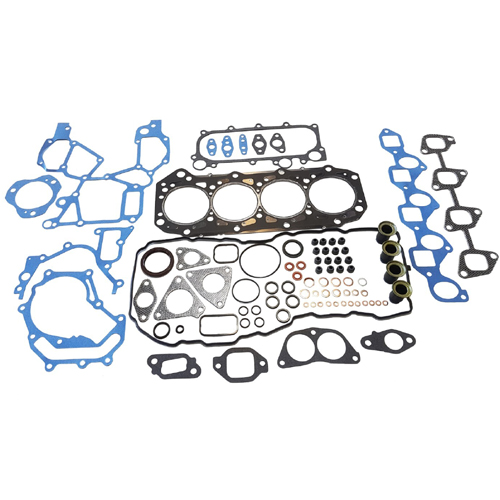
What Is a Railway Gasket?
A railway gasket is a sealing component installed between two mating surfaces to help prevent leakage or the entry of unwanted contaminants. It is used in different railway assemblies, including pneumatic systems, engine components, equipment enclosures, doors, windows and HVAC installations.
Depending on its application, a railway gasket may be manufactured or supplied using rubber compounds, non-asbestos fibre materials or other suitable sealing materials.
Unlike general-purpose sealing applications, railway equipment may experience continuous vibration, outdoor exposure and changing operating conditions. Therefore, gasket material selection should be based on the specific equipment requirements.
Types of Railway Gaskets
Different railway applications require different gasket materials and configurations. The following options may be considered depending on the application and verified product availability.
1. Railway Rubber Gasket
Railway rubber gaskets are used in suitable equipment connections where flexibility and sealing properties are required. They may be considered for doors, windows, equipment covers, enclosures and selected mechanical assemblies.
Common rubber materials include EPDM, NBR, Neoprene and other application-specific elastomers.
The correct rubber compound should be selected according to temperature, vibration, environmental exposure and contact with oils or other fluids.
2. EPDM Railway Gasket
EPDM rubber gaskets are commonly considered for applications involving water, weather exposure, ozone and outdoor environmental conditions.
They may be suitable for selected railway coach door seals, window sealing arrangements and HVAC-related connections.
EPDM is generally not recommended for petroleum-based oils and fuels. Always verify material compatibility before use.
3. NBR Railway Gasket
Nitrile rubber, commonly known as NBR, offers resistance to many oils and petroleum-based fluids. It may be suitable for selected railway machinery, oil-handling equipment and fuel-related sealing applications.
The actual suitability depends on the NBR compound, fluid composition, operating temperature and pressure.
4. Non Asbestos Railway Gasket
Non-asbestos sealing gaskets are made without asbestos-containing materials. Depending on the material grade, they may use reinforcing fibres and elastomeric binders to provide sealing characteristics.
These materials may be considered for selected flange connections, equipment joints and industrial railway applications.
The correct grade should be selected according to the operating temperature, pressure, fluid and equipment specifications.
5. Custom Railway Gasket
Certain railway components require gaskets with specific dimensions, profiles and mounting arrangements. Custom gasket requirements may be evaluated using an existing sample, engineering drawing or dimensional specification.
Where suitable cutting or fabrication capabilities are available, custom-shaped gaskets can be considered for non-standard sealing requirements.
Applications of Railway Gaskets
Railway gaskets are used across different rolling stock and railway equipment applications.
1. Railway Air Brake Systems
Air brake systems use compressed air to control braking operations in railway vehicles. Suitable sealing components are required at selected valves, pneumatic connections and equipment assemblies.
Gasket selection should consider the pressure requirements, connection design and material compatibility specified for the braking system.
2. Locomotive Engine Assemblies
Locomotive engines and associated equipment contain several joints and connections that require sealing. Gaskets may be used in selected covers, housings, manifolds and fluid-handling assemblies.
The required material depends on temperature, pressure, vibration and exposure to lubricants or fuels.
3. Railway Coach Doors and Windows
Passenger coaches require suitable sealing arrangements around doors and windows to help reduce dust, water and unwanted air entry.
Rubber sealing profiles may be considered for these applications. The correct profile, flexibility and environmental resistance should be verified before installation.
4. Railway HVAC Systems
Heating, ventilation and air-conditioning systems in railway coaches use different equipment connections and enclosures.
Suitable gaskets help seal selected HVAC components and duct connections. Material selection should consider temperature variations, vibration and environmental exposure.
5. Electrical Enclosures and Control Panels
Electrical cabinets and control enclosures may require sealing components to help limit dust and moisture entry.
Rubber gaskets can be considered where the enclosure design requires a flexible sealing arrangement. The required sealing and fire-safety properties must match the applicable equipment specifications.
6. Fuel and Oil Handling Systems
Locomotives and railway maintenance equipment may use gaskets in selected oil and fuel connections.
NBR or other compatible materials may be considered depending on the fluid, temperature and operating conditions. Always verify chemical compatibility before selecting the gasket.
7. Freight Wagons and Railway Equipment
Freight wagons and associated railway equipment may require sealing components for covers, access panels, enclosures and other connections.
The gasket design should match the equipment dimensions and expected environmental conditions.
Key Features of Railway Gaskets
The performance of a railway gasket depends on its material composition, design and application requirements.
Important characteristics to consider include:
-
Vibration suitability: The gasket should be suitable for the mechanical movement and vibration experienced at its installation location.
-
Weather resistance: Outdoor railway applications may require materials with resistance to ozone, moisture and environmental exposure.
-
Oil and fuel compatibility: Gaskets used in fluid-handling systems should be compatible with the specific medium.
-
Temperature suitability: The selected material should operate within the specified temperature range.
-
Dimensional accuracy: Correct dimensions and profile help ensure proper installation and sealing.
-
Compression characteristics: The material should provide suitable compression and recovery properties for the intended joint.
-
Application-specific safety: Fire, smoke and toxicity requirements must be verified for applications where railway safety standards specify them.
How to Select the Right Railway Gasket
Selecting a railway gasket requires more than checking its size. The material, application and operating conditions should all be considered.
1. Identify the Installation Location
Determine whether the gasket is required for an air brake system, engine assembly, coach door, window, HVAC unit, electrical enclosure or another railway component.
2. Check Material Requirements
Identify whether the application requires EPDM, NBR, Neoprene, non-asbestos fibre material or another specified compound.
3. Verify Temperature Conditions
Check the normal and maximum operating temperatures. Select a material suitable for the actual conditions.
4. Consider Pressure Requirements
Gaskets used in pneumatic and fluid systems must be suitable for the specified operating pressure and joint design.
5. Confirm Dimensions and Profile
Check the inner diameter, outer diameter, thickness, bolt-hole positions and overall gasket shape. For profile seals, confirm the cross-section and mounting arrangement.
6. Review Railway Specifications
Some railway applications require compliance with specific RDSO, OEM or project-approved drawings and material specifications.
Check the relevant documents before ordering. Do not assume that a general-purpose rubber gasket meets railway-specific approval requirements.
7. Consider Environmental Exposure
Outdoor railway applications may involve rain, dust, sunlight, ozone and changing temperatures. Select materials suitable for the expected environment.
Why Do Railway Gaskets Fail?
Railway gasket failure may occur because of material deterioration, incorrect selection, installation problems or demanding operating conditions.
Common reasons include:
-
Continuous vibration: Repeated movement can affect gasket positioning and sealing over time.
-
Incorrect material selection: An unsuitable rubber compound may deteriorate when exposed to oils, fuels or chemicals.
-
Temperature variations: Repeated heating and cooling can affect material flexibility and sealing properties.
-
Compression set: Some materials may lose their ability to recover after prolonged compression.
-
Incorrect installation: Misalignment and uneven tightening can affect the sealing interface.
-
Surface damage: Corrosion, scratches and uneven mating surfaces can create leakage paths.
-
Ageing and weather exposure: Ozone, UV exposure and environmental conditions may affect certain rubber materials.
Regular inspection and replacement according to the applicable railway maintenance schedule help identify gasket-related problems.
Railway Gasket Manufacturer and Supplier in United States
FiltXpert caters to industrial sealing product enquiries for railway-related and other equipment applications. Buyers looking for railway gaskets can share their technical requirements, existing gasket samples or engineering drawings to check the availability of a suitable product.
Whether the requirement involves a rubber gasket, non-asbestos sealing gasket or custom-shaped sealing component, product selection should be based on the installation location and operating specifications.
Why Contact FiltXpert?
-
Industrial sealing enquiries: Discuss gasket requirements for railway equipment and associated assemblies.
-
Material-related assistance: Share the required rubber or gasket material specifications.
-
Custom dimension enquiries: Provide drawings, samples or measurements for product identification.
-
Replacement requirements: Discuss gasket requirements for equipment maintenance and repair.
-
Quotation assistance: Share product specifications and required quantities to request a quotation.
Railway Gasket Supplier in United States
When sourcing railway gaskets, buyers should consider material compatibility, dimensional accuracy, operating conditions and applicable railway requirements.
FiltXpert supports industrial gasket enquiries from customers in United States. Contact the team with your equipment details, gasket drawings or existing samples to discuss available product options.
Contact Us
Feel Free To Get In Touch With Us
Office Address:
17 Fortune South Industrial Park, S.P.ring road, near Naroda G.I.D.C, nana chiloda, Ahmedabad, Gujarat 382330