Oil Suction Filter Manufacturer and Supplier in Raipur
Hydraulic systems depend on a continuous supply of clean hydraulic oil to operate pumps, valves, cylinders and other components. During operation, oil may collect dust, metal particles, rust and other solid contaminants. If these particles enter the hydraulic pump, they can contribute to internal wear and affect the performance of the system.
An Oil Suction Filter is installed at the suction side of a hydraulic pump to help prevent larger contaminants from entering the pump along with the oil. It is commonly used in hydraulic power packs, industrial machinery, construction equipment and other oil circulation systems.
FiltXpert offers oil suction filtration solutions for industrial and hydraulic applications. These filters are selected according to the pump requirements, oil flow rate, filtration rating, tank arrangement and operating conditions.
Whether you need an oil suction filter for a hydraulic power pack or an industrial machine, selecting a compatible filter is important for maintaining suitable oil flow and protecting the pump from coarse contamination.
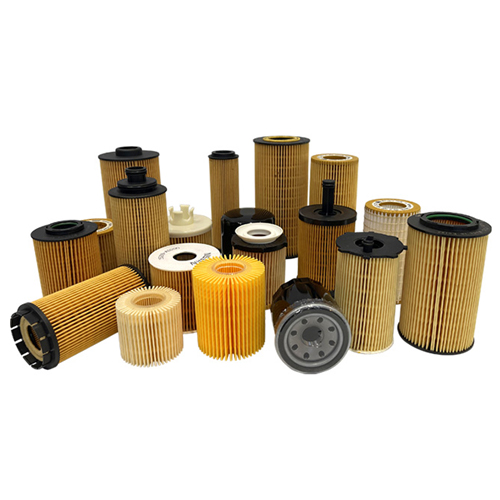
What Is an Oil Suction Filter?
An oil suction filter is a filtration component installed on the inlet side of a hydraulic pump. It helps remove coarse particles and foreign contaminants from hydraulic oil before the oil enters the pump.
It is generally fitted inside the oil reservoir or in the suction line, depending on the hydraulic system design. The filter may use metal mesh or another suitable filtration medium to capture larger contaminants.
Unlike fine pressure-line filters, suction filters are generally designed for coarse filtration with relatively low flow resistance. This is important because excessive restriction on the pump inlet can affect oil supply and may contribute to cavitation.
The filter should always be selected according to the hydraulic pump manufacturer's inlet requirements.
How Does an Oil Suction Filter Work?
An oil suction filter works by filtering hydraulic oil as it moves from the reservoir towards the pump.
The general working process includes the following steps:
1. Oil Intake from the Reservoir
Hydraulic oil is drawn from the reservoir towards the pump through the suction line. The oil may contain dust, metal particles, rust and other solid contaminants.
2. Filtration Through the Filter Media
Before reaching the pump, the oil passes through the suction filter's filtration medium. The mesh or filter material captures contaminants according to its specified filtration characteristics.
3. Contaminant Retention
Larger particles and foreign materials are retained by the filter element, helping reduce the entry of these contaminants into the pump.
4. Filtered Oil Supply
The filtered oil continues towards the hydraulic pump, supporting the oil supply required for system operation.
5. Inspection and Maintenance
The filter is inspected and cleaned or replaced according to its design and the equipment manufacturer's maintenance instructions.
Proper filter sizing and regular maintenance are important because a clogged suction filter can restrict oil flow to the pump.
Types of Oil Suction Filters
Oil suction filters are available in different configurations to suit hydraulic tank designs, pump arrangements and industrial operating requirements.
1. Metal Mesh Oil Suction Filter
Metal mesh suction filters use a mesh-based filtration medium to capture coarse particles from hydraulic oil. Stainless steel mesh is commonly used in suitable industrial filter designs.
These filters are selected according to the required filtration level, oil flow capacity and compatibility with the hydraulic system.
2. Tank-Mounted Oil Suction Filter
Tank-mounted suction filters are installed inside or at the outlet of a hydraulic oil reservoir. They filter the oil as it is drawn from the tank towards the pump.
The mounting arrangement, filter length and connection design depend on the reservoir and pump configuration.
3. Inline Oil Suction Filter
Inline suction filters are installed directly in the suction pipeline between the oil reservoir and the pump. Their design allows filtration within the oil line.
The filter must be selected carefully to ensure that its flow capacity and pressure-drop characteristics are suitable for the pump inlet requirements.
4. Hydraulic Suction Strainer
A hydraulic suction strainer is designed to prevent coarse contaminants and foreign particles from entering the hydraulic pump.
It is generally used as an initial contamination-control component rather than as a fine filtration solution. The appropriate mesh opening should be determined according to the pump manufacturer's recommendations.
5. Heavy-Duty Oil Suction Filter
Heavy-duty suction filters are used in compatible industrial and hydraulic equipment operating under demanding working conditions.
Their construction, filter media, connection arrangement and flow capacity should match the specific application requirements.
Key Features to Consider in an Oil Suction Filter
When selecting an oil suction filter, buyers should consider the following product characteristics:
-
Filtration media: The filter material should be suitable for the hydraulic oil and the type of contaminants expected in the system.
-
Mesh opening or filtration rating: The filtration level should meet the pump manufacturer's inlet filtration requirements.
-
Oil flow capacity: The filter should support the required pump suction flow.
-
Low pressure drop: Suitable filter sizing helps maintain the required oil supply at the pump inlet.
-
Construction material: The filter body and mesh should be compatible with the operating environment and hydraulic oil.
-
Mounting arrangement: The filter should match the reservoir or suction pipeline installation.
-
Connection compatibility: Thread size, flange arrangement and other connection details should match the system.
-
Maintenance accessibility: The filter should allow inspection, cleaning or replacement as required by its design.
The correct filter selection depends on the hydraulic circuit, pump specifications and operating conditions.
Applications of Oil Suction Filters
Oil suction filters are used in hydraulic and industrial equipment where oil is drawn from a reservoir towards a pump.
1. Hydraulic Power Packs
Hydraulic power packs use pumps to supply pressurised oil to different hydraulic components. A suction filter helps reduce the entry of coarse contaminants into the pump.
2. CNC Machines
CNC machinery may use hydraulic systems for clamping, movement and other machine functions. Suitable suction filtration helps control coarse contamination in the hydraulic oil.
3. Construction Equipment
Excavators, loaders and other construction machinery use hydraulic circuits for lifting, digging and equipment movement. Suction filtration helps protect compatible hydraulic pumps from larger particles.
4. Industrial Presses
Hydraulic presses use oil under pressure to operate cylinders and other components. An appropriate suction filter helps maintain the cleanliness of oil entering the pump.
5. Manufacturing Plants
Manufacturing facilities use hydraulic machinery and automated equipment that require a consistent oil supply. Suction filters form part of the contamination-control arrangement.
6. Automobile Industry
Automotive production facilities use hydraulic equipment in different manufacturing and assembly operations. Suitable filtration helps manage contamination in these hydraulic systems.
7. Steel and Metal Processing
Steel plants and metal processing facilities operate heavy hydraulic machinery. Oil suction filters help reduce the entry of coarse particles into compatible pump systems.
8. Material Handling Equipment
Hydraulic systems are used in lifting equipment, material handling machines and industrial vehicles. Suction filtration helps protect the pump from larger contaminants in the oil.
Benefits of Using an Oil Suction Filter
A properly selected oil suction filter supports the maintenance of hydraulic pump inlet conditions.
Key benefits include:
-
Coarse contaminant removal: Helps capture larger particles and foreign materials before oil reaches the pump.
-
Pump protection: Reduces the entry of coarse contaminants that may contribute to pump wear.
-
Oil contamination control: Forms part of the overall hydraulic oil filtration arrangement.
-
Suitable oil flow: A correctly sized filter helps maintain the required oil supply at the pump inlet.
-
Maintenance support: Regular inspection helps identify contamination and filter blockage.
-
Equipment protection: Supports the operation of hydraulic systems when used with appropriate filtration at other stages.
-
System maintenance: Helps manage contamination as part of a complete hydraulic fluid maintenance programme.
An oil suction filter alone does not remove every type or size of contaminant. Fine filtration may also be required through suitable pressure-line or return-line filters.
How to Choose the Right Oil Suction Filter
Selecting the correct oil suction filter requires checking the pump specifications and hydraulic system design.
Consider these points before purchasing:
-
Identify the hydraulic pump: Check the pump manufacturer, model and inlet requirements.
-
Confirm the oil flow rate: Select a filter that can handle the required suction flow without excessive restriction.
-
Check the filtration requirement: Confirm the permitted mesh opening or filtration rating recommended for the pump.
-
Review the installation type: Determine whether the system requires a tank-mounted or inline suction filter.
-
Check connection dimensions: Verify the mounting arrangement, thread size, flange and other fitting details.
-
Consider the oil type: Ensure that the filter materials are compatible with the hydraulic fluid.
-
Evaluate operating conditions: Consider oil temperature, contamination level and the working environment.
-
Review maintenance requirements: Check whether the filter is cleanable or requires element replacement.
Avoid selecting a suction filter only on the basis of its micron rating. Its pressure-drop characteristics and compatibility with the pump inlet are equally important.
Oil Suction Filter vs Pressure Line Filter vs Return Line Filter
These filters are installed at different points in a hydraulic circuit and perform different filtration functions.
| Filter Type | Installation | Main Function |
|---|---|---|
| Oil Suction Filter | Pump inlet or reservoir outlet | Captures coarse contaminants before oil enters the pump |
| Pressure Line Filter | Pressurised side of the hydraulic circuit | Provides filtration to protect downstream components |
| Return Line Filter | Oil return line before the reservoir | Captures contaminants from returning hydraulic oil |
A suction filter is generally designed for coarse filtration and low restriction. Pressure-line and return-line filters are selected for different filtration requirements. They should not be treated as interchangeable components.
Maintenance Tips for Oil Suction Filters
Regular inspection is important because a blocked suction filter can restrict the oil supply to the pump.
Follow these maintenance practices:
-
Inspect the suction filter according to the equipment manufacturer's service schedule.
-
Check for accumulated dirt, sludge and metal particles.
-
Monitor pump inlet conditions and any specified suction pressure or vacuum indicators.
-
Clean reusable mesh filters only according to the manufacturer's approved procedure.
-
Replace damaged or non-serviceable filter elements as recommended.
-
Check the filter housing and suction connections for leakage or air entry.
-
Use the correct replacement filter and mesh specification.
-
Follow safe shutdown and oil-handling procedures before removing the filter.
Do not operate a hydraulic system with a damaged, incorrectly installed or severely clogged suction filter.
Oil Suction Filter Manufacturer and Supplier in Raipur – FiltXpert
FiltXpert offers oil filtration solutions for hydraulic systems and industrial machinery applications. Buyers looking for an oil suction filter can enquire about suitable options according to their pump specifications, tank arrangement and oil filtration requirements.
Whether the requirement is for a hydraulic power pack, CNC machine, industrial press or construction equipment, selecting the correct suction filter is important for maintaining the pump's oil supply and controlling coarse contamination.
Contact Us
Feel Free To Get In Touch With Us
Office Address:
17 Fortune South Industrial Park, S.P.ring road, near Naroda G.I.D.C, nana chiloda, Ahmedabad, Gujarat 382330