Industrial Rubber Gasket Manufacturer and Supplier in Turkey
Industrial rubber gaskets are flexible sealing components used to prevent fluid and gas leakage between two mating surfaces. They are commonly installed in pipelines, pumps, valves, machinery, tanks and industrial equipment where a suitable sealing arrangement is required.
FiltXpert offers industrial sealing solutions for businesses looking for an industrial rubber gasket in Turkey. Rubber gaskets are available in different elastomer materials, shapes and thicknesses depending on the application and operating conditions.
Choosing the correct rubber gasket requires considering factors such as temperature, pressure, chemical compatibility, fluid type, flange dimensions and installation requirements. A suitable material and accurately matched gasket profile help create an effective seal between connected surfaces.
What Is an Industrial Rubber Gasket?
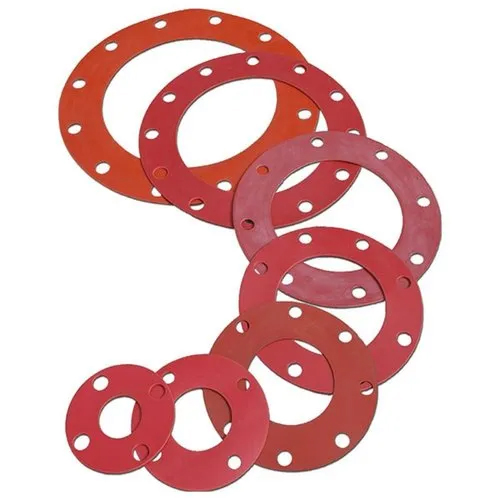
An industrial rubber gasket is a sealing component manufactured from elastomeric materials. It is fitted between two mating surfaces to fill small gaps and help prevent the leakage of liquids or gases.
Rubber gaskets work by compressing between the connected surfaces when the joint is assembled and tightened. Their flexibility allows them to conform to suitable flange surfaces and create a sealing interface.
Depending on the application, rubber gaskets may be manufactured or supplied in sheet, flat, ring-shaped, full-face or custom-cut configurations.
They are commonly used in water pipelines, industrial machinery, chemical processing equipment, pumps, valves, HVAC systems and other industrial installations.
Types of Industrial Rubber Gaskets
Different rubber compounds offer different sealing characteristics. Selecting the correct elastomer is important because each material has specific temperature, chemical and operating limitations.
1. EPDM Rubber Gasket
EPDM (Ethylene Propylene Diene Monomer) rubber gaskets are commonly used in applications involving water, weather exposure, ozone and suitable steam conditions.
EPDM offers good resistance to ageing and environmental exposure. It is commonly considered for water supply systems, HVAC installations and selected industrial pipeline connections.
Common applications:
-
Water supply pipelines
-
Water treatment equipment
-
HVAC systems
-
Outdoor industrial installations
-
Selected steam and hot-water applications within the material's specified limits
EPDM is generally not suitable for petroleum-based oils and fuels. Always verify compatibility before selecting it.
2. Nitrile Rubber Gasket (NBR)
Nitrile rubber, commonly known as NBR, is used in sealing applications involving oils, fuels and petroleum-based fluids. Its oil resistance makes it suitable for many industrial machinery and fluid-handling applications.
NBR gaskets are commonly considered for equipment where contact with lubricating oils or compatible hydrocarbon-based fluids is expected.
Common applications:
-
Oil handling equipment
-
Fuel systems
-
Industrial pumps
-
Machinery housings
-
Hydraulic equipment connections
The actual resistance depends on the NBR formulation, temperature and type of fluid.
3. Neoprene Rubber Gasket
Neoprene rubber, also known as chloroprene rubber, offers a combination of flexibility and resistance to weathering, ozone and selected oils.
It is used in general industrial sealing applications where these properties are required.
Common applications:
-
Industrial piping systems
-
HVAC equipment
-
Machinery connections
-
Outdoor installations
-
Selected oil and water applications
Material suitability should be checked against the specific fluid and operating conditions.
4. Silicone Rubber Gasket
Silicone rubber gaskets are used in applications requiring flexibility across a relatively wide temperature range. Silicone grades are available for different industrial, electrical and equipment sealing requirements.
Some specially formulated silicone materials are available for food-contact applications, subject to the relevant grade and compliance documentation.
Common applications:
-
Industrial equipment
-
Electrical enclosures
-
Selected food-processing equipment
-
Temperature-sensitive machinery
-
Equipment requiring flexible seals
Silicone is not automatically suitable for every oil, fuel or chemical application. The correct formulation must be selected.
5. Viton Rubber Gasket (FKM)
Viton is a commonly used brand name for certain fluoroelastomer materials, also known as FKM. These materials are selected for applications requiring resistance to various oils, fuels, chemicals and elevated temperatures.
FKM gaskets are used in demanding industrial environments where the specific compound is compatible with the operating medium.
Common applications:
-
Chemical processing equipment
-
Oil and fuel handling systems
-
Industrial pumps
-
Machinery assemblies
-
Selected high-temperature sealing applications
The chemical resistance and temperature limits depend on the particular FKM grade.
Types of Industrial Rubber Gasket Designs
Apart from the rubber material, gasket shape and construction also influence its suitability for a particular connection.
1. Full Face Rubber Gasket
A full-face gasket covers the sealing face of a flange and generally includes bolt holes matching the flange arrangement.
It is used in suitable flange connections where sealing across the full flange face is required.
2. Ring Type Rubber Gasket
A ring gasket fits within the bolt circle of a flange and seals around the internal opening. Its dimensions should match the flange's sealing area.
It is commonly considered for selected piping and equipment connections.
3. Custom Cut Rubber Gasket
Custom-cut rubber gaskets are produced in specific shapes and dimensions according to a drawing, sample or equipment requirement.
They may be used where standard gasket profiles do not match the required connection.
4. Rubber Sheet Gasket
Rubber sheet materials can be converted into gasket shapes according to the application. The appropriate sheet grade, thickness and dimensions should be selected based on the operating requirements.
Applications of Industrial Rubber Gaskets
Industrial rubber gaskets are used in several sectors where equipment connections require flexible sealing components.
Water Treatment and Wastewater Plants
Rubber gaskets are used in suitable water pipelines, pump connections, valves and filtration equipment. EPDM is commonly considered for compatible water applications.
Chemical and Petrochemical Industry
Chemical processing systems require gasket materials that can withstand contact with specific process fluids. NBR, FKM and other suitable elastomers may be considered depending on chemical compatibility.
Oil and Gas Industry
Rubber gaskets are used in selected oil handling equipment, pipeline connections and industrial machinery. Material selection should account for the type of hydrocarbon, pressure and temperature.
HVAC and Cooling Systems
Rubber gaskets help seal selected water pipelines, cooling systems, pumps and equipment connections. EPDM is frequently considered for compatible water-based applications.
Pharmaceutical and Food Processing Industries
Suitable rubber gasket grades may be used in equipment and pipeline connections. Food-contact or pharmaceutical applications require materials with the appropriate compliance documentation and application suitability.
Automotive and Engineering Industries
Industrial rubber gaskets are used in machinery, fluid-handling systems, equipment housings and selected automotive-related applications.
Marine and Heavy Engineering
Rubber sealing components may be used in suitable machinery and fluid connections exposed to vibration, moisture and environmental conditions. The material must be selected for the specific application.
Key Features of Industrial Rubber Gaskets
The characteristics of an industrial rubber gasket depend on its elastomer composition, manufacturing process and design.
Important features to consider include:
-
Flexible sealing: Rubber materials can compress between suitable mating surfaces to create a seal.
-
Material options: Different elastomers are available for different fluid and environmental conditions.
-
Vibration absorption: Certain rubber materials can help accommodate vibration in suitable equipment connections.
-
Custom configurations: Gaskets may be available in different shapes, profiles and thicknesses.
-
Chemical compatibility: Specific rubber grades offer resistance to selected chemicals, oils and other fluids.
-
Temperature suitability: Different elastomers have different operating temperature limitations.
-
Application-specific selection: The correct gasket can be selected according to the equipment and connection requirements.
How to Select the Right Industrial Rubber Gasket
Choosing a gasket based only on its dimensions may lead to material compatibility or sealing problems. Consider the following factors before selecting a product.
1. Identify the Operating Medium
Determine whether the gasket will come into contact with water, oil, fuel, chemicals, steam or another fluid. Each rubber material has different compatibility characteristics.
2. Check the Temperature Range
Identify the normal and maximum operating temperatures. Select a rubber compound that can withstand the specified temperature conditions.
3. Verify Operating Pressure
Check the working pressure and flange design. The gasket must be suitable for the connection and its specified operating conditions.
4. Confirm Gasket Dimensions
Check the inner diameter, outer diameter, thickness and bolt-hole positions. Accurate dimensions help ensure proper fitting.
5. Select the Correct Rubber Material
Choose EPDM, NBR, Neoprene, Silicone or FKM according to the application requirements. Do not select a material only because it is described as chemical-resistant or high-temperature-resistant.
6. Consider Flange Surface Condition
Inspect the mating surfaces for scratches, corrosion, unevenness and contamination. Flange condition and correct assembly are important for effective sealing.
7. Check Installation Requirements
Follow the specified bolt tightening sequence and torque requirements. Excessive or uneven compression can damage a gasket and affect sealing performance.
Common Causes of Industrial Rubber Gasket Failure
Rubber gasket failure can occur because of unsuitable material selection, incorrect installation or changing operating conditions.
Common causes include:
-
Chemical incompatibility: The selected rubber compound may deteriorate when exposed to an unsuitable fluid.
-
Excessive temperature: Operating beyond the material's temperature limits can cause hardening, softening or degradation.
-
Over-compression: Excessive bolt tightening can damage or deform the gasket.
-
Ageing: Long-term exposure to heat, oxygen, ozone and environmental conditions can affect rubber properties.
-
Incorrect dimensions: A poorly fitting gasket may not seal the connection properly.
-
Damaged flange surfaces: Scratches, corrosion and uneven surfaces can create leakage paths.
-
Improper installation: Misalignment and uneven bolt loading may affect gasket compression.
Regular inspection and correct installation help identify potential sealing problems during equipment maintenance.
Industrial Rubber Gasket Manufacturer and Supplier in Turkey
FiltXpert caters to industrial enquiries for rubber sealing products and related gasket requirements. Buyers looking for industrial rubber gaskets can share their application details, required dimensions and preferred material to check product availability.
Whether the requirement involves an EPDM gasket, NBR gasket, Neoprene gasket, Silicone gasket or FKM gasket, material selection should be based on the actual operating environment and compatibility requirements.
Why Contact FiltXpert?
-
Industrial gasket enquiries: Discuss gasket requirements for pipelines, pumps, valves and machinery.
-
Material-related assistance: Share the operating medium and temperature requirements for product evaluation.
-
Dimension-based selection: Provide the required gasket thickness, diameter and profile.
-
Replacement requirements: Share an existing gasket sample or technical drawing for identification.
-
Quotation assistance: Provide the required quantity and product specifications to request a quotation.
Contact Us
Feel Free To Get In Touch With Us
Office Address:
17 Fortune South Industrial Park, S.P.ring road, near Naroda G.I.D.C, nana chiloda, Ahmedabad, Gujarat 382330