Industrial Oil Filter Manufacturer and Supplier in Indonesia
Industrial machinery depends on clean lubricating oil for smooth operation and proper component lubrication. During machine operation, oil can collect dust, metal particles, sludge and other contaminants. If these impurities continue circulating through the lubrication system, they may contribute to component wear, reduced equipment efficiency and increased maintenance requirements.
An Industrial Oil Filter helps remove unwanted contaminants from circulating oil and supports the cleanliness of industrial lubrication systems. These filters are used in different applications, including manufacturing equipment, hydraulic systems, industrial machinery and power generation equipment.
FiltXpert offers filtration solutions for industrial applications. Selecting the right oil filter according to the equipment specifications, oil type, operating pressure, flow rate and filtration requirements is important for maintaining the intended performance of the lubrication system.
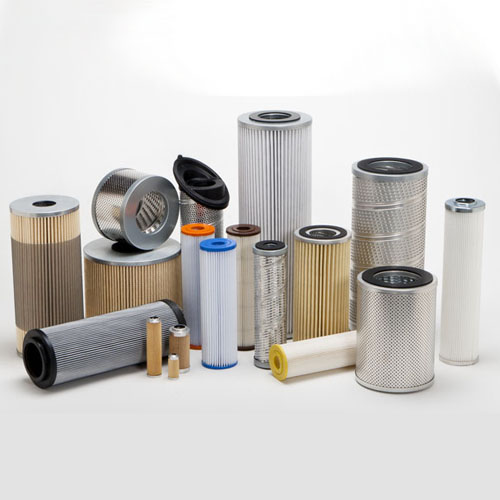
What Is an Industrial Oil Filter?
An industrial oil filter is a filtration component designed to remove solid contaminants and suspended particles from industrial oil. It is installed in an oil circulation or lubrication system to help maintain oil cleanliness.
Industrial equipment may generate or collect contaminants during operation. These can include metal wear particles, dust, dirt, sludge and other deposits. An appropriate oil filter captures specified contaminants before the oil circulates through sensitive machine components.
Industrial oil filters are available in different designs and configurations depending on the application. Their selection depends on the type of oil, filtration rating, flow capacity, operating pressure and equipment requirements.
How Does an Industrial Oil Filter Work?
An industrial oil filter works by directing circulating oil through a filtration element that captures unwanted particles.
The general filtration process includes the following steps:
-
Oil enters the filter: Contaminated oil flows into the filter housing through the designated inlet.
-
Filtration takes place: Oil passes through the filter media, which captures particles according to its filtration characteristics.
-
Contaminants are retained: Dust, metal particles and other specified impurities are collected within the filter element.
-
Filtered oil exits: The filtered oil moves through the outlet and returns to the lubrication or hydraulic circuit.
-
Filter maintenance: The element is inspected and replaced according to the manufacturer's maintenance instructions.
The actual filtration arrangement varies according to the equipment and system design. Some systems use pressure-line filtration, while others use return-line or suction-line filters.
Types of Industrial Oil Filters
Industrial oil filters are available in different configurations to meet the requirements of various machinery and lubrication systems.
1. Hydraulic Oil Filter
Hydraulic oil filters are used in hydraulic systems to remove contaminants from hydraulic fluid. They help protect pumps, valves, cylinders and other hydraulic components from particle contamination.
These filters may be installed in pressure lines, return lines or other suitable locations depending on the hydraulic circuit design.
2. Lubrication Oil Filter
Lubrication oil filters remove solid contaminants from oil circulating through industrial machinery. They are used in equipment where clean lubricating oil is required for the operation of bearings, gears and other moving components.
The filtration rating and flow capacity should match the lubrication system requirements.
3. Suction Oil Filter
Suction filters are installed on the inlet side of a pump in compatible oil systems. Their purpose is to prevent larger contaminants from entering the pump.
Suction filters must be selected carefully because excessive restriction can affect pump inlet conditions. Their filtration rating and design should follow the equipment manufacturer's recommendations.
4. Return Line Oil Filter
Return-line filters are installed in the return circuit of a hydraulic or lubrication system. They help capture contaminants carried by the returning oil before it enters the reservoir.
Their selection depends on return flow, operating pressure and the filtration requirements of the system.
5. Pressure Line Oil Filter
Pressure-line filters are installed in a pressurised oil circuit to remove contaminants before the oil reaches sensitive downstream components.
These filters must be compatible with the system's operating pressure, flow rate and required filtration level.
6. Industrial Oil Filter Cartridge
Cartridge-type oil filters use a replaceable filtration element fitted inside a compatible housing. Depending on the filter design, the housing may be reused while the cartridge is replaced during routine servicing.
The cartridge should match the housing dimensions, sealing arrangement and filtration specifications.
Key Features to Consider in an Industrial Oil Filter
The suitability of an industrial oil filter depends on several technical factors. Buyers should review the following characteristics before selecting a filter:
-
Filtration rating: The filter should capture particles according to the cleanliness requirements of the oil system.
-
Filter media: The media should be compatible with the oil type, operating temperature and expected contaminants.
-
Oil flow capacity: The filter should support the required flow rate of the equipment.
-
Pressure compatibility: The housing and filter element should be suitable for the system's operating pressure.
-
Pressure drop: The filter should provide the required filtration without creating unacceptable flow restriction.
-
Sealing arrangement: Suitable seals help prevent oil leakage and unfiltered oil bypass.
-
Housing construction: The housing should be appropriate for the installation environment and operating conditions.
-
Maintenance requirements: The filter should allow inspection and replacement according to the equipment's service procedure.
-
Dimensional compatibility: Connection size, height, diameter and mounting configuration should match the application.
Technical specifications should always be verified against the actual equipment requirements.
Applications of Industrial Oil Filters
Industrial oil filters are used across industries where machinery depends on circulating oil for lubrication, hydraulic operation or equipment protection.
1. Manufacturing Industry
Manufacturing plants use different types of machinery that require lubrication for moving parts, gears and bearings. Industrial oil filters help maintain the cleanliness of circulating oil in compatible equipment.
2. Hydraulic Machinery
Hydraulic systems use pressurised fluid to operate cylinders, motors and other components. Suitable filtration helps control particle contamination in the hydraulic circuit.
3. Power Generation Industry
Power generation equipment may use lubrication systems for bearings and other mechanical components. Oil filtration helps remove contaminants from circulating lubricating oil.
4. Steel and Metal Processing Industry
Steel plants and metal processing facilities operate heavy machinery under demanding conditions. Appropriate oil filtration helps manage contamination in lubrication and hydraulic systems.
5. Automotive Industry
Automotive manufacturing facilities use industrial machinery, hydraulic equipment and production systems that require suitable oil filtration for their operation.
6. Mining and Construction Equipment
Heavy equipment used in mining and construction may operate in dusty environments. Suitable oil filtration helps reduce the circulation of solid contaminants through compatible lubrication and hydraulic systems.
7. Textile Industry
Textile manufacturing equipment uses lubrication systems for different moving components. Industrial oil filters help maintain oil cleanliness as part of regular equipment maintenance.
8. Engineering and Processing Plants
Engineering workshops and processing plants use machines with lubrication and hydraulic circuits. The appropriate filter helps control contaminants according to the system's filtration requirements.
Benefits of Using an Industrial Oil Filter
Suitable oil filtration is an important part of industrial equipment maintenance.
Key benefits include:
-
Contaminant removal: Helps capture dust, metal particles and other specified impurities from circulating oil.
-
Component protection: Reduces exposure of sensitive components to abrasive particles.
-
Oil cleanliness: Helps maintain the cleanliness level required by the lubrication or hydraulic system.
-
Maintenance support: Regular filter replacement helps maintain the intended filtration function.
-
Reduced contamination-related wear: Effective filtration helps limit the circulation of harmful solid particles.
-
Equipment reliability: Proper oil filtration supports the maintenance requirements of industrial machinery.
-
System protection: Suitable filters help control contamination before it reaches sensitive components.
The actual benefits depend on filter selection, oil condition, equipment design and maintenance practices.
How to Choose the Right Industrial Oil Filter
Choosing the right industrial oil filter requires checking the equipment and its operating requirements. A filter that looks similar to the original may not necessarily be compatible.
Consider these points before purchasing:
-
Identify the application: Determine whether the filter is required for a hydraulic system, lubrication circuit, industrial machine or another oil-based application.
-
Check the oil type: Confirm the type and properties of the oil used in the system.
-
Verify the flow rate: Select a filter that can handle the required oil flow.
-
Check operating pressure: Ensure the filter housing is suitable for the system's pressure conditions.
-
Confirm filtration rating: Match the micron rating and filtration characteristics to the equipment requirements.
-
Review the filter configuration: Identify whether the system requires a suction, pressure-line, return-line or cartridge-type filter.
-
Check dimensions and connections: Verify the filter size, mounting arrangement, thread and sealing details.
-
Confirm replacement compatibility: Compare the existing filter part number with the proposed replacement.
Providing the machine model, filter reference number and technical specifications can help identify a suitable filter.
Industrial Oil Filter vs Air Compressor Oil Filter
Industrial oil filters and air compressor oil filters both remove contaminants from oil, but they are selected for different equipment and operating requirements.
| Comparison | Industrial Oil Filter | Air Compressor Oil Filter |
|---|---|---|
| Main application | Industrial lubrication and hydraulic systems | Oil-lubricated air compressor systems |
| Filtration purpose | Removes contaminants from industrial oil | Removes contaminants from circulating compressor oil |
| Equipment | Hydraulic machinery, industrial machines and other oil systems | Screw and other compatible oil-lubricated compressors |
| Selection factors | Oil type, flow, pressure and filtration rating | Compressor model, oil flow, pressure and original filter specifications |
The two filters should not be treated as interchangeable. Always check the equipment specifications before selecting a replacement.
Maintenance Tips for Industrial Oil Filters
Regular inspection and timely replacement help maintain the intended function of industrial oil filtration systems.
Follow these maintenance practices:
-
Inspect the filter and housing according to the equipment manufacturer's maintenance schedule.
-
Monitor pressure drop or filter restriction where the system provides this facility.
-
Replace filter elements at the recommended service interval or when the specified restriction limit is reached.
-
Check filter housing, connections and seals for oil leakage.
-
Use compatible replacement elements with the correct filtration rating.
-
Monitor oil condition and follow the recommended oil replacement schedule.
-
Avoid installing filters with incorrect dimensions or connection arrangements.
-
Follow safe isolation and pressure-release procedures before opening a filter housing.
Do not clean and reuse disposable filter elements unless the filter manufacturer specifically permits it.
Industrial Oil Filter Manufacturer and Supplier in Indonesia – FiltXpert
FiltXpert offers filtration solutions for industrial machinery and equipment applications. Buyers looking for an industrial oil filter can enquire about suitable filtration options based on their equipment and operating requirements.
Whether the application involves an industrial lubrication circuit, hydraulic system or machinery oil filtration, selecting the correct filter is important for maintaining oil cleanliness and supporting equipment maintenance.
Contact Us
Feel Free To Get In Touch With Us
Office Address:
17 Fortune South Industrial Park, S.P.ring road, near Naroda G.I.D.C, nana chiloda, Ahmedabad, Gujarat 382330