Compressor Hose Pipe Assembly Supplier in China
Compressor hose pipe assemblies are important components in industrial compressed air systems. They provide flexible connections between compressors, pipelines and connected equipment, allowing air or compatible fluids to move between different system components.
In industrial installations, a suitable hose assembly helps accommodate equipment movement, vibration and installation requirements. The correct selection of hose material, diameter, length, end connections and pressure rating is essential for safe and efficient operation.
FiltXpert offers compressor-related products and industrial components for different applications. If you are looking for a compressor hose pipe assembly in China, it is important to select an assembly that matches the compressor specifications and intended operating conditions.
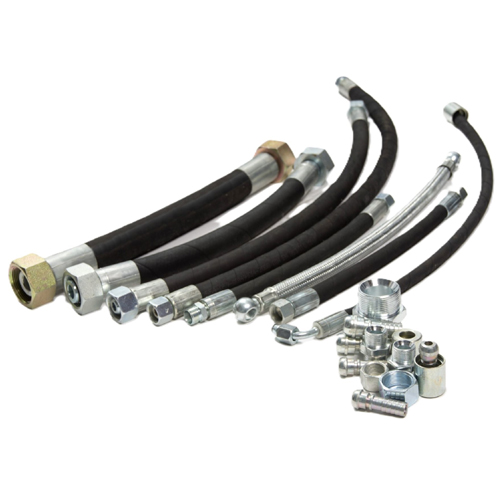
What Is a Compressor Hose Pipe Assembly?
A compressor hose pipe assembly is a flexible connection consisting of a hose and suitable end fittings. It is used to connect different components within an air compressor system or compatible industrial fluid transfer arrangement.
Unlike rigid piping, a hose assembly can accommodate certain installation movements and vibration. It is commonly used where a flexible connection is required between the compressor, air receiver, pipeline or connected equipment.
A typical hose assembly may include:
-
Flexible hose: Provides the passage for compressed air or another compatible medium.
-
End fittings: Connect the hose to the compressor or pipeline.
-
Crimped or assembled connections: Secure the fittings to the hose according to the assembly design.
-
Sealing components: Help prevent leakage at connection points.
-
Protective covering: May be provided depending on the hose construction and application.
The actual construction depends on the hose type, working medium and operating requirements.
How Does a Compressor Hose Pipe Assembly Work?
A compressor hose pipe assembly provides a flexible passage for transferring compressed air or another specified medium between connected components.
1. Connection to the Compressor
One end of the hose assembly is connected to the compressor outlet or designated connection point. The fitting must match the connection type and size.
2. Transfer Through the Hose
Compressed air flows through the internal passage of the hose. The hose material must be compatible with the medium, pressure and temperature conditions.
3. Flexible Connection
The hose provides flexibility where a rigid pipe connection may not be suitable. It can help accommodate equipment vibration and minor movement when correctly selected and installed.
4. Connection to Downstream Equipment
The other end connects to the air receiver, pipeline, pneumatic equipment or another compatible component.
5. System Operation
During operation, the hose assembly must remain within its specified pressure, temperature and bending limits. Regular inspection helps identify wear, leakage or connection damage.
Types of Compressor Hose Pipe Assemblies
Compressor hose assemblies are available in different configurations depending on the application, hose construction and connection requirements.
1. Rubber Compressor Hose Assembly
Rubber hoses are used in various industrial applications where flexibility is required. Their suitability depends on the rubber compound, reinforcement, working medium, pressure rating and temperature range.
2. Reinforced Compressor Hose Assembly
Reinforced hoses include additional structural layers, such as textile or wire reinforcement, depending on the design. Reinforcement helps the hose withstand the specified operating pressure and mechanical conditions.
3. Flexible Air Compressor Hose Assembly
Flexible air compressor hoses are used where a connection needs to accommodate vibration, equipment movement or installation limitations. The hose must be selected according to the compressor's operating requirements.
4. Metal Flexible Hose Assembly
Metal flexible hoses may be used in suitable industrial applications where temperature, mechanical conditions or media compatibility require a metallic construction. Their suitability depends on the material, design and rated operating conditions.
5. Custom-Length Compressor Hose Assembly
Some installations require specific hose lengths, fitting arrangements or connection dimensions. Custom-length assemblies may be considered where standard configurations do not match the equipment layout.
.
Components of a Compressor Hose Pipe Assembly
Understanding the main components helps in selecting the correct hose assembly for an industrial compressor system.
1. Hose Tube
The inner tube provides the passage for compressed air or the specified working medium. Its material must be compatible with the application.
2. Reinforcement Layer
Depending on the hose design, reinforcement may consist of textile braiding, wire braiding or other structural layers. It helps the hose withstand its rated operating conditions.
3. Outer Cover
The outer cover protects the hose from external conditions such as abrasion, dirt and environmental exposure. The level of protection depends on the hose construction.
4. End Fittings
End fittings connect the hose assembly to compressors, pipelines and other equipment. They may vary according to thread type, flange arrangement and connection dimensions.
5. Sealing Arrangement
Suitable sealing components help prevent leakage at the connection points. The sealing material should be compatible with the working medium and operating temperature.
Key Specifications to Consider
Before selecting a compressor hose pipe assembly, review the following technical details:
| Parameter | What to check |
|---|---|
| Hose material | Rubber, reinforced material or metal, as applicable |
| Inner diameter | Required internal hose diameter |
| Hose length | Distance between connection points |
| Working pressure | Approved continuous operating pressure |
| Burst pressure | Manufacturer-specified burst rating |
| Temperature range | Minimum and maximum operating temperature |
| End connections | Threaded, flanged or other connection types |
| Fitting material | Material suitable for the application |
| Working medium | Compressed air, oil or another compatible medium |
| Bend radius | Minimum recommended bending radius |
| Compatibility | Compressor model and connection requirements |
Always select the assembly using its documented working pressure and operating limits. Burst pressure should never be treated as the normal working pressure.
Applications of Compressor Hose Pipe Assemblies
Compressor hose pipe assemblies are used in different industrial environments where flexible connections are required.
1. Manufacturing Industries
Used in compressed air installations connecting compressors, air receivers, distribution lines and compatible production equipment.
2. Automotive Industry
Used in industrial workshops, vehicle assembly facilities and manufacturing operations where compressed air supports pneumatic tools and machinery.
3. Engineering and Fabrication Units
Suitable for compatible compressed air connections in fabrication workshops, engineering plants and industrial production facilities.
4. Construction Equipment
Hose assemblies may be used in suitable compressor-operated equipment and pneumatic systems where flexible connections are required.
5. Textile Industries
Industrial compressed air systems support different textile machinery and pneumatic operations. Suitable hose assemblies help connect the required equipment.
6. Packaging and Processing Plants
Used in compatible compressed air systems supporting packaging machinery, automation equipment and production operations.
7. Industrial Maintenance Workshops
Flexible hose assemblies are useful in equipment connections where installation layout, vibration or maintenance access requires a flexible section.
Benefits of Using a Suitable Compressor Hose Pipe Assembly
Selecting a hose assembly according to the application can support reliable operation and easier installation.
-
Flexible connection: Helps connect equipment where rigid piping may not be practical.
-
Vibration accommodation: A suitable hose arrangement can help accommodate compressor and equipment vibration.
-
Installation flexibility: Different lengths and connection configurations can support various installation layouts.
-
Equipment connectivity: Provides a connection between compressors, pipelines and compatible equipment.
-
Maintenance convenience: Properly selected assemblies can be inspected and replaced when required.
-
Application compatibility: Different hose materials and fittings can be selected according to the working medium and operating conditions.
These benefits depend on correct product selection, installation and maintenance.
How to Choose the Right Compressor Hose Pipe Assembly
Selecting the right assembly is important for system compatibility and safe operation.
1. Identify the Working Medium
Determine whether the hose will carry compressed air, compressor oil or another medium. Not every hose is suitable for every fluid or gas.
2. Check the Operating Pressure
Confirm the compressor's working pressure and select a hose assembly with a documented working pressure rating suitable for the application.
3. Confirm the Temperature Range
Check the temperature of the medium and the surrounding environment. The hose material should be suitable for both conditions.
4. Select the Correct Diameter
The inner diameter should match the required airflow and connection specifications. An unsuitable diameter may affect flow and system performance.
5. Measure the Required Length
Select a hose length that allows correct routing without excessive tension, twisting or sharp bends.
6. Verify End Fittings
Check thread type, connection size, flange details and fitting material. Incorrect connections may cause leakage or installation problems.
7. Consider Installation Conditions
Evaluate vibration, abrasion, exposure to heat, movement and available installation space before selecting the hose construction.
8. Confirm Compressor Compatibility
Where the hose is used as a replacement part, check the compressor brand, model, original part number and connection details.
Installation and Maintenance Tips
Proper installation and regular inspection help maintain the condition of compressor hose assemblies.
-
Inspect the hose for cracks, cuts, bulging and visible damage.
-
Check end fittings for looseness, corrosion and leakage.
-
Avoid twisting or sharply bending the hose during installation.
-
Maintain the recommended minimum bend radius.
-
Keep the hose away from sharp edges and excessive external heat.
-
Use suitable clamps and supports where required by the installation design.
-
Inspect the hose after maintenance or equipment movement.
-
Replace damaged assemblies instead of using temporary repairs for pressurised service.
-
Follow the hose manufacturer's pressure and temperature limits.
Signs That a Compressor Hose Pipe Assembly Needs Replacement
A hose assembly should be inspected regularly. The following signs may indicate that replacement is necessary:
-
Visible cracks or cuts in the outer cover.
-
Bulging or deformation of the hose.
-
Leakage around the hose or end fittings.
-
Corrosion or damage to the connectors.
-
Excessive abrasion or exposed reinforcement.
-
Repeated loosening of connections.
-
Changes in hose flexibility or visible deterioration.
If any of these conditions are observed, isolate the system and arrange a suitable inspection before further operation.
Compressor Hose Pipe Assembly Supplier in China – FiltXpert
FiltXpert offers industrial filtration products and compressor-related components for different industrial requirements. Its product range includes air compressors, air filters, oil filters, line filters, air oil separators, air dryers and compressor replacement parts.
For compressor hose pipe assembly enquiries, customers should share the required hose length, inner diameter, working pressure, temperature range, connection type and intended application.
Contact Us
Feel Free To Get In Touch With Us
Office Address:
17 Fortune South Industrial Park, S.P.ring road, near Naroda G.I.D.C, nana chiloda, Ahmedabad, Gujarat 382330