Auto Drain Valve Manufacturer and Supplier in Chennai
An auto drain valve is an important component of a compressed air system that automatically removes accumulated condensate from air compressors, air receivers, refrigerated air dryers, filters and compressed air pipelines. It helps prevent water accumulation in the system and reduces the need for frequent manual draining.
During air compression, atmospheric moisture can enter the compressed air system. As the air cools, some of this moisture condenses into liquid water. Oil-injected compressors and certain filtration systems may also produce condensate containing oil and other contaminants. If this liquid is not removed regularly, it can affect equipment operation, contribute to corrosion and create maintenance problems.
FiltXpert is an auto drain valve manufacturer and supplier in Chennai, offering industrial compressed air system components for different application requirements. Selecting a suitable automatic drain valve according to system pressure, condensate volume, connection size and operating conditions is essential for effective condensate management.
Whether you need an auto drain valve for an air compressor, air receiver tank, air dryer or compressed air filter, choosing the correct configuration helps maintain your compressed air system.
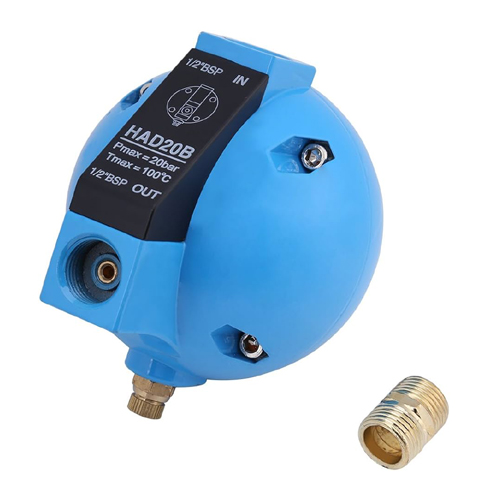
What Is an Auto Drain Valve?
An auto drain valve is a device designed to discharge accumulated liquid condensate from compressed air equipment without requiring regular manual operation.
It is commonly installed at condensate collection points such as:
-
Air compressor moisture collection points
-
Compressed air receiver tanks
-
Refrigerated air dryers
-
Compressed air line filters
-
Pipeline low points and condensate separators
Depending on its design, an automatic drain valve may operate through a float mechanism, an electronic timer or a level-sensing system.
The main purpose is to remove collected liquid while minimising unnecessary compressed air loss. The correct valve type depends on the equipment, condensate generation rate and installation requirements.
How Does an Automatic Drain Valve Work?
The working principle of an auto drain valve depends on its operating mechanism. Most designs detect or respond to condensate accumulation and open a discharge passage to release the collected liquid.
1. Condensate Collection
Moisture in compressed air can condense as the air cools. Liquid collects in designated drainage areas of air receivers, filters, dryers and other compressed air equipment.
2. Condensate Detection
The drain valve detects the accumulated liquid through a float mechanism, electronic level sensor or programmed operating cycle, depending on the model.
3. Drain Valve Activation
When the required liquid level is reached or the programmed drainage interval begins, the valve opens to release the accumulated condensate.
4. Liquid Discharge
The collected liquid flows through the drain outlet into an appropriate condensate collection or treatment arrangement.
5. Automatic Valve Closure
After the condensate is discharged, the valve closes according to its operating mechanism. The system then continues collecting condensate for the next drainage cycle.
A correctly selected and maintained drain valve helps remove collected liquid without unnecessary manual intervention.
Types of Auto Drain Valves
Automatic drain valves are available in different operating configurations. Understanding their working mechanisms helps identify the right option for a compressed air installation.
1. Float Operated Auto Drain Valve
A float-operated auto drain valve uses a mechanical float mechanism to respond to the liquid level inside the collection chamber.
As condensate accumulates, the float rises. When it reaches the operating level, the mechanism opens the discharge passage. After the liquid level falls, the valve closes.
Common applications:
-
Air receiver tanks
-
Air compressor condensate collection points
-
Moisture separators
-
Suitable industrial compressed air systems
2. Timer Based Auto Drain Valve
A timer-based automatic drain valve operates according to predefined opening and closing intervals. Users can configure the drainage cycle according to the system's condensate generation and operating requirements.
The valve opens for a specified duration and then closes automatically.
Common applications:
-
Compressed air filters
-
Air receivers
-
Refrigerated air dryers
-
Industrial compressed air pipelines
The timing should be adjusted carefully. Excessively frequent or lengthy opening cycles may waste compressed air.
3. Electronic Auto Drain Valve
An electronic auto drain valve uses electrical controls to operate the drainage mechanism. Depending on the design, it may use a timer, electronic sensor or control circuit.
Electronic models can provide adjustable drainage operation and are used in different industrial compressed air installations.
Common applications:
-
Industrial air compressors
-
Air treatment systems
-
Compressed air filtration equipment
-
Industrial air distribution networks
4. Zero Loss Auto Drain Valve
A zero-loss auto drain valve is designed to discharge accumulated condensate while minimising the release of compressed air.
Depending on the model, it uses a liquid-level detection mechanism to activate drainage when condensate is present. This helps reduce unnecessary air loss compared with a drain that opens for a fixed period regardless of liquid accumulation.
Common applications:
-
Compressed air receiver tanks
-
Refrigerated air dryers
-
Compressed air filter systems
-
Industrial air treatment installations
Key Features to Consider in an Auto Drain Valve
When selecting an automatic drain valve, consider the following product and operating characteristics:
-
Automatic operation: The valve should operate according to its intended mechanical or electronic mechanism.
-
Pressure compatibility: Its rated operating pressure must match the compressed air equipment.
-
Connection size: Inlet and outlet connections should match the installation requirements.
-
Drainage capacity: The valve should handle the condensate volume generated by the system.
-
Operating mechanism: Select a float-operated, timer-based or electronic design according to the application.
-
Electrical requirements: For electrically operated models, verify the supply voltage and electrical connection specifications.
-
Installation compatibility: Check mounting position, available space and drain outlet arrangement.
-
Maintenance requirements: Consider access for cleaning, inspection and servicing.
Always confirm the manufacturer's technical specifications before selecting a valve for a particular installation.
Applications of Auto Drain Valves
Auto drain valves are used in different industrial environments where compressed air equipment generates condensate.
1. Air Compressor Systems
Automatic drain valves remove accumulated condensate from designated drainage points in air compressor systems. They help reduce the need for frequent manual draining.
2. Air Receiver Tanks
Compressed air receiver tanks can collect liquid condensate as compressed air cools. An auto drain valve helps discharge this accumulated liquid from the tank's designated drain connection.
3. Refrigerated Air Dryers
Refrigerated air dryers remove moisture vapour from compressed air by cooling it and collecting the resulting condensate. An automatic drain valve discharges the collected liquid from the dryer.
4. Compressed Air Line Filters
Certain compressed air filters collect liquid water and oil aerosols during filtration. An appropriate drain valve helps remove the collected liquid from the filter housing.
5. Manufacturing Industries
Manufacturing plants use compressed air for pneumatic tools, machinery and production equipment. Automatic condensate drainage supports routine compressed air system maintenance.
6. Automotive Industries
Automotive workshops and manufacturing facilities use compressed air systems for various pneumatic operations. Auto drain valves can be installed at suitable condensate collection points.
7. Textile Industries
Textile manufacturing facilities use compressed air for different machinery and production processes. Automatic drainage helps manage condensate in suitable compressed air installations.
8. Engineering and Fabrication Units
Engineering and fabrication workshops use compressors for pneumatic equipment and industrial operations. Auto drain valves help remove accumulated liquid from their compressed air systems.
Benefits of Using an Automatic Drain Valve
Installing a suitable automatic drain valve offers several maintenance and operational benefits.
-
Automatic condensate removal: Helps discharge collected liquid without regular manual operation.
-
Reduced manual maintenance: Reduces the need for operators to open drain points repeatedly.
-
Corrosion management: Helps limit prolonged liquid accumulation in equipment and connected components.
-
Equipment protection: Supports proper condensate management in air receivers, filters and dryers.
-
System maintenance: Makes routine condensate drainage easier to manage.
-
Flexible installation: Different drain configurations are available for different compressed air equipment.
-
Controlled drainage: Suitable models help manage condensate discharge according to liquid level or programmed timing.
Actual performance depends on the valve design, installation, maintenance and operating conditions.
How to Choose the Right Auto Drain Valve
Choosing the correct automatic drain valve requires checking the compressed air equipment and its drainage requirements.
1. Identify the Installation Point
Determine whether the valve will be installed on an air receiver, compressor, refrigerated dryer, filter housing or pipeline drainage point.
2. Check Operating Pressure
Verify the maximum operating pressure of the system and compare it with the valve's rated pressure.
3. Estimate Condensate Volume
The amount of condensate generated depends on air intake moisture, operating conditions, compressor capacity and air treatment equipment. Select a valve with a suitable drainage capacity.
4. Select the Operating Mechanism
Choose between float-operated, timer-based and electronic configurations according to the application and maintenance requirements.
5. Verify Connection Size
Check inlet and outlet thread sizes, connection type and mounting arrangement before ordering.
6. Check Electrical Specifications
For electrically operated drain valves, confirm voltage, frequency, electrical connection and control requirements.
7. Consider Compressed Air Loss
Where minimising compressed air loss is important, evaluate a suitable level-sensing or zero-loss drain design.
8. Review Maintenance Requirements
Check whether the valve can be inspected, cleaned and serviced easily. Confirm the availability of replacement parts where necessary.
Common Problems With Auto Drain Valves
An automatic drain valve may not operate correctly if its internal mechanism becomes contaminated, damaged or incorrectly configured.
1. Auto Drain Valve Not Discharging
Possible causes include a blocked drain passage, electrical supply problems, incorrect timer settings or a malfunctioning float mechanism.
2. Continuous Air Leakage
Continuous air leakage may occur due to dirt on the valve seat, damaged sealing components or a faulty closing mechanism.
3. Drain Valve Opening Too Frequently
In timer-operated models, incorrect interval settings can cause unnecessary drainage cycles and compressed air loss.
4. Condensate Remaining in the Equipment
An undersized valve, blocked outlet, incorrect installation or malfunctioning mechanism may prevent effective condensate discharge.
5. Electrical Operation Failure
Electronic drain valves may stop functioning because of power supply issues, damaged wiring or internal control problems.
Inspect the valve according to its manufacturer's instructions and replace damaged components where necessary.
Maintenance Tips for Automatic Drain Valves
Regular inspection helps maintain the intended operation of an automatic drain valve.
-
Inspect the drain outlet for dirt and blockage.
-
Check the valve for visible leakage.
-
Clean the internal mechanism according to manufacturer instructions.
-
Inspect float movement in float-operated models.
-
Verify timer settings in timer-based models.
-
Check electrical connections in electronic models.
-
Ensure the drain outlet is connected to a suitable discharge arrangement.
-
Inspect seals and other replaceable components when required.
-
Follow the recommended maintenance schedule for the connected equipment.
Before servicing the valve, isolate the equipment and safely release pressure according to the manufacturer's instructions.
Auto Drain Valve Manufacturer in Chennai – FiltXpert
FiltXpert offers industrial compressed air system components and replacement products for different equipment requirements. Its product range includes auto drain valves, air compressor valve kits,
compressor intake valves, compressor controllers, compressor hose pipe assemblies, filter housings and industrial filtration products.
As an auto drain valve manufacturer in Chennai, FiltXpert aims to address industrial condensate drainage requirements through suitable product configurations. Buyers should confirm the available valve types, technical specifications and manufacturing details before placing an order.
Whether you require an automatic drain valve for an air receiver tank, air compressor, dryer or compressed air filter, sharing the installation details can help identify a suitable product.
Auto Drain Valve Supplier for Industrial Applications
Selecting the right auto drain valve supplier is important for obtaining a product compatible with your compressed air system.
FiltXpert provides product enquiries and support for industrial compressed air components. Before requesting a quotation, customers can share:
-
Required auto drain valve type.
-
Application and installation point.
-
Operating pressure.
-
Inlet and outlet connection size.
-
Condensate drainage requirements.
-
Electrical specifications, where applicable.
-
Required quantity.
-
Existing valve photographs or product reference.
Contact Us
Feel Free To Get In Touch With Us
Office Address:
17 Fortune South Industrial Park, S.P.ring road, near Naroda G.I.D.C, nana chiloda, Ahmedabad, Gujarat 382330