Air Oil Separator for Air Compressor
An air oil separator is an important filtration component used in oil-injected air compressors. It separates oil droplets and mist from compressed air before the air moves towards the outlet or downstream equipment. Proper oil separation helps reduce oil carryover, supports compressed air quality and allows the compressor lubrication system to operate effectively.
FiltXpert offers air oil separator solutions for industrial compressed air applications. Selecting the right separator requires attention to compressor compatibility, operating pressure, airflow capacity, dimensions and filtration requirements. Whether you need a replacement separator or a solution for an industrial compressor, choosing the correct specifications is essential for suitable operation.
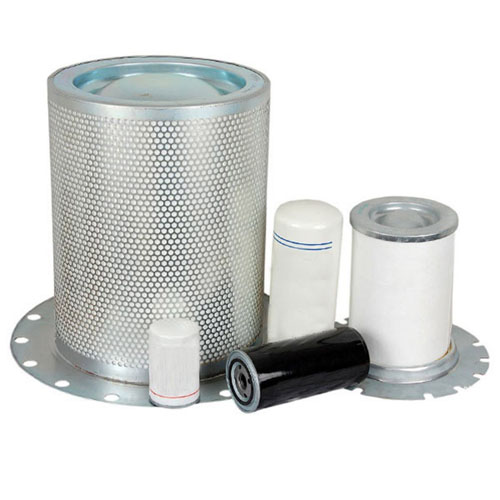
What Is an Air Oil Separator?
An air oil separator is a filtration element commonly installed inside the oil separator tank of an oil-injected screw air compressor. During compression, air mixes with lubricating oil. This oil helps lubricate, cool and seal internal compressor components.
Before compressed air leaves the compressor, it passes through the air oil separator. The separator element captures most of the suspended oil droplets and allows separated oil to return to the compressor's oil circuit, depending on the system design.
The purpose of an air oil separator is to reduce oil content in the compressed air. It is particularly important in industrial environments where excessive oil carryover can affect pneumatic equipment, production processes and downstream air treatment components.
How Does an Air Oil Separator Work?
The air oil separation process takes place in multiple stages, depending on the compressor design and separator construction.
1. Air and Oil Mixture Enters the Separator System
In an oil-injected compressor, compressed air contains suspended oil droplets after the compression process. This mixture enters the oil separator vessel.
2. Initial Oil Separation
The separator system uses changes in airflow direction and other separation mechanisms to remove larger oil droplets. These droplets collect and move towards the bottom of the separator vessel.
3. Fine Oil Mist Filtration
The remaining air passes through the separator element, which is designed to capture fine oil droplets and reduce oil mist carried by the compressed air.
4. Oil Collection and Return
Separated oil collects within the separator element or designated collection area. In many compressor designs, a scavenge or oil return line carries the collected oil back to the compressor system.
5. Compressed Air Outlet
After passing through the separator, the compressed air moves towards the outlet and may continue through additional treatment equipment, depending on the required air quality.
Types of Air Oil Separators for Air Compressors
Air oil separators are available in different configurations to suit compressor designs and installation requirements.
1. Spin-On Air Oil Separator
Spin-on separators are designed with a housing that can be installed or removed by rotating the element or assembly. Their suitability depends on the compressor's specified design and connection arrangement.
2. Flange-Type Air Oil Separator
Flange-type separators use a flange connection for installation inside compatible compressor systems. The flange dimensions, sealing arrangement and overall construction should match the equipment requirements.
3. Cartridge-Type Air Oil Separator
Cartridge-type separators are installed inside a designated separator housing or vessel. They are used in compressor systems where the element is replaced separately from the housing.
4. Replacement Air Oil Separator Element
Replacement separator elements are selected according to the original compressor element's dimensions, filtration requirements and operating conditions. Correct compatibility is essential before ordering a replacement.
Key Features to Consider in an Air Oil Separator
The following factors help evaluate an air oil separator for industrial compressor applications:
-
Oil separation capability: The separator should be suitable for reducing oil carryover under the specified compressor operating conditions.
-
Airflow capacity: The element should support the compressor's required airflow without creating unsuitable operating restrictions.
-
Pressure drop: Pressure drop across the separator is an important factor because excessive restriction can affect compressor performance.
-
Construction and filter media: The material and media construction should be suitable for the intended operating environment.
-
Sealing arrangement: Proper sealing helps prevent air and oil bypass around the separator element.
-
Dimensional compatibility: Diameter, height, connection type and mounting arrangement should match the compressor system.
-
Operating conditions: Temperature, operating pressure and compressor oil type should be considered during product selection.
Actual filtration efficiency, pressure drop and operating limits should be checked against the product's verified technical data.
Applications of Air Oil Separators
Air oil separators are primarily used in oil-injected compressed air systems across different industrial sectors.
Manufacturing Industries
Used in compressed air systems that supply pneumatic tools, production machinery and automated equipment.
Automotive Industries
Suitable for compatible compressor systems used in workshops, assembly operations and industrial manufacturing processes.
Engineering and Fabrication Units
Used in compressed air installations supporting pneumatic equipment, fabrication tools and workshop operations.
Pharmaceutical and Packaging Industries
Air oil separation is one part of compressed air treatment. Additional filtration and drying may be required to meet the specific air quality standards of these applications.
Textile Industries
Used in industrial compressor systems that supply compressed air to compatible machinery and pneumatic operations.
Food Processing Industries
Oil separation helps reduce oil carryover from oil-injected compressors. Applications requiring specific air purity levels may need additional downstream treatment and monitoring.
Benefits of Using the Right Air Oil Separator
Choosing a suitable air oil separator can support the operation and maintenance of an industrial compressed air system.
-
Reduced oil carryover: Helps reduce the amount of oil mist passing into the compressed air outlet.
-
Downstream equipment protection: Lower oil carryover can help reduce oil contamination in connected pneumatic equipment and air treatment components.
-
Compressor system support: A suitable separator helps maintain the intended air and oil separation process.
-
Maintenance planning: Timely replacement supports planned compressor maintenance.
-
Compressed air quality: Helps improve the condition of compressed air before it enters downstream treatment or application equipment.
The actual benefits depend on the separator's compatibility, condition, installation and compressor operating parameters.
How to Choose the Right Air Oil Separator
Before selecting an air oil separator for your compressor, consider the following points:
-
Compressor make and model: Identify the compressor brand, model and equipment details.
-
Original separator reference: Check the existing separator's part number or reference number, if available.
-
Dimensions: Measure the separator's height, outer diameter, inner diameter and connection details.
-
Airflow requirements: Confirm the compressor's rated airflow and operating conditions.
-
Operating pressure and temperature: Select an element suitable for the specified operating range.
-
Oil compatibility: Check whether the separator is suitable for the compressor's specified lubricant.
-
Installation design: Confirm the mounting style, flange arrangement and sealing requirements.
Sharing the compressor model, existing separator details and clear product photographs can help identify a suitable replacement.
Signs That an Air Oil Separator May Need Replacement
An air oil separator should be inspected and replaced according to the compressor manufacturer's maintenance recommendations and actual operating conditions.
Some possible warning signs include:
-
Increased oil carryover in the compressed air.
-
Higher-than-normal pressure drop across the separator.
-
Changes in compressor operating performance.
-
Oil appearing in downstream air lines or equipment.
-
Separator-related maintenance alerts, where supported by the compressor controller.
These symptoms can also result from other compressor issues, such as incorrect oil levels, a blocked scavenge line, damaged seals or unsuitable operating conditions. A proper inspection should be carried out before replacing components.
Air Oil Separator Supplier in Bengaluru – FiltXpert
FiltXpert offers industrial filtration solutions for compressed air and machinery applications. Its product range includes air oil separators, air compressor air filters, air compressor oil filters, air compressor line filters and other filtration products.
For selecting an air oil separator, customers can share their compressor details, existing separator reference number and required dimensions. This information helps in identifying a suitable product for the intended compressor application.
Contact Us
Feel Free To Get In Touch With Us
Office Address:
17 Fortune South Industrial Park, S.P.ring road, near Naroda G.I.D.C, nana chiloda, Ahmedabad, Gujarat 382330