Air Compressor Line Filter Manufacturer and Supplier in Nepal
Compressed air is widely used in manufacturing plants, engineering facilities, automotive workshops and other industrial applications. However, compressed air can carry contaminants such as dust particles, oil aerosols and water droplets. These contaminants may affect pneumatic equipment, production processes and the quality of compressed air.
An Air Compressor Line Filter is an important component of a compressed air treatment system. It helps remove specified contaminants from compressed air before the air reaches downstream equipment and applications.
FiltXpert offers air filtration solutions for industrial compressed air systems. These filters are used in applications where compressed air cleanliness is an important consideration. Selecting the right line filter according to airflow capacity, operating pressure, filtration requirements and connection specifications helps maintain the intended performance of the air treatment system.
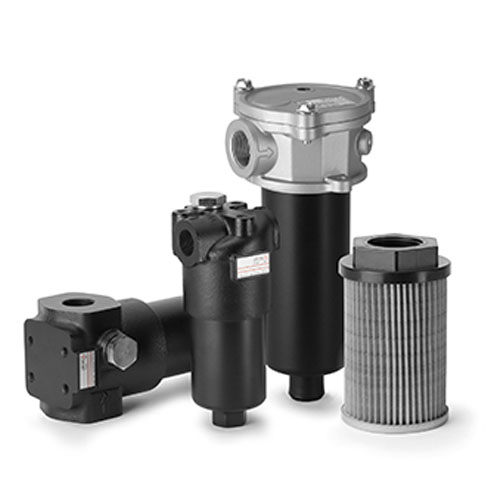
What Is an Air Compressor Line Filter?
An air compressor line filter is a filtration device installed in a compressed air pipeline to remove contaminants from the air flowing through the system.
During compression and distribution, compressed air may contain solid particles, oil aerosols and moisture droplets. The type of contamination depends on the compressor design, intake conditions, air treatment arrangement and pipeline environment.
An air line filter uses a suitable filtration element to capture specified contaminants. It is generally installed at an appropriate point in the compressed air network, depending on the required air quality and equipment configuration.
Different filter grades are available for different filtration requirements. The correct filter should be selected according to the application and the compressed air quality specifications.
How Does an Air Compressor Line Filter Work?
An air compressor line filter works by directing compressed air through a filtration element that separates specified contaminants from the airflow.
The general filtration process includes the following steps:
-
Compressed air enters the filter: Air from the compressor or upstream treatment equipment enters the filter housing.
-
Air passes through the filter element: The filtration media captures particles or aerosols according to its design and filtration grade.
-
Contaminants are retained: Solid particles and other specified contaminants are collected by the filter element or separated within the housing.
-
Filtered air moves downstream: The treated air exits the filter and continues through the compressed air pipeline.
-
Contaminants are removed during maintenance: Collected contaminants are removed through the designated drain arrangement or filter element replacement, depending on the filter design.
For effective filtration, the filter must be installed in the correct direction and maintained according to the manufacturer's instructions.
Types of Air Compressor Line Filters
Compressed air systems may require different filter grades depending on the type and level of contamination that needs to be controlled.
1. Particulate Air Line Filter
A particulate filter is designed to remove solid particles such as dust, dirt, rust and other suspended contaminants from compressed air.
It is used in compressed air systems where solid particle removal is required to protect downstream equipment and pneumatic components.
2. Coalescing Air Line Filter
A coalescing filter is designed to capture fine liquid aerosols, including oil and water droplets, from compressed air. Small droplets combine into larger droplets that can be collected and drained through a suitable drainage arrangement.
Coalescing filters are used where control of liquid aerosols is required. Their performance depends on the specified filtration grade and operating conditions.
3. Fine Filtration Air Line Filter
Fine filtration filters are used when an application requires the removal of smaller particles or finer aerosol contaminants. The appropriate filtration grade should be selected according to the required compressed air quality.
These filters may be installed as part of a multi-stage compressed air treatment arrangement.
4. Activated Carbon Filter
Activated carbon filters are used in applications requiring the reduction of oil vapours and certain odours from compressed air.
They are generally installed downstream of suitable coalescing filtration where required by the treatment system design. Activated carbon filters do not replace particulate or coalescing filters.
The suitable filter type and installation sequence depend on the required air quality and application.
Key Features to Consider in an Air Compressor Line Filter
Before selecting an air compressor line filter, buyers should evaluate the following technical factors:
-
Filtration grade: The filter should meet the required particle or aerosol removal specifications.
-
Airflow capacity: The filter should support the compressed air flow required by the system.
-
Operating pressure: The housing and filter assembly must be suitable for the system's specified working pressure.
-
Pressure drop: The filter should be selected with consideration for pressure loss at the required airflow.
-
Filter media: The media should be suitable for the contaminants and operating conditions.
-
Connection size: Inlet and outlet connections should match the compressed air pipeline.
-
Housing construction: The housing material and design should be appropriate for the operating environment.
-
Drain arrangement: Filters that collect liquid contaminants should have a suitable drain system.
-
Maintenance requirements: Filter elements and drainage components should be accessible for regular servicing.
Actual performance depends on the filter model, filtration grade, airflow, pressure and operating conditions.
Applications of Air Compressor Line Filters
Air compressor line filters are used in industries where compressed air is supplied to machinery, pneumatic tools and production equipment.
1. Automotive Industry
Automotive manufacturing and workshop facilities use compressed air for pneumatic tools, assembly operations and equipment cleaning. Line filters help control contaminants in the compressed air supply.
2. Pharmaceutical Industry
Pharmaceutical facilities may require controlled compressed air quality for specific manufacturing and packaging processes. Filtration requirements should be determined according to the application and applicable quality standards.
3. Food and Beverage Industry
Compressed air is used in packaging, conveying and production operations. Suitable filtration and air treatment stages help meet the required air quality for the intended application.
4. Textile Industry
Textile manufacturing facilities use compressed air in pneumatic equipment, production machinery and material-handling processes. Line filters help reduce specified contaminants in the compressed air network.
5. Engineering and Manufacturing Industry
Manufacturing plants use compressed air for pneumatic tools, automated equipment, machine operations and production processes. Suitable line filtration helps protect downstream components from contamination.
6. Packaging Industry
Packaging systems use compressed air for pneumatic movement, sealing and automated operations. Air filtration helps control contaminants supplied to compatible equipment.
7. General Industrial Applications
Compressed air line filters are also used in workshops, fabrication units, assembly facilities and other industrial environments where compressed air cleanliness is important.
Benefits of Using an Air Compressor Line Filter
Installing a suitable line filter helps manage contamination in compressed air systems.
Important benefits include:
-
Contaminant removal: Helps remove specified dust particles, liquid aerosols and other contaminants.
-
Equipment protection: Reduces the entry of harmful particles and aerosols into downstream equipment.
-
Improved air quality: Helps achieve the filtration level required for the intended application.
-
Reduced contamination-related maintenance: Suitable filtration helps limit contaminant accumulation in pneumatic equipment.
-
Process support: Helps maintain compressed air quality for applications with defined filtration requirements.
-
System maintenance: Replaceable filter elements and appropriate drainage arrangements support routine servicing.
The actual benefits depend on selecting the correct filter grade and maintaining the filter according to the operating requirements.
How to Choose the Right Air Compressor Line Filter
Selecting a suitable air compressor line filter requires an understanding of the compressed air system and its air quality requirements.
Consider the following points before purchasing:
-
Determine the application: Identify whether compressed air is used for general industrial operations, pneumatic tools or a process requiring controlled air quality.
-
Identify contaminants: Check whether the system needs particulate filtration, oil aerosol removal or oil vapour reduction.
-
Confirm airflow requirements: Select a filter with a suitable flow capacity for the compressor and downstream equipment.
-
Check operating pressure: Verify that the filter housing is rated for the system's operating conditions.
-
Select the filtration grade: Match the filter grade to the required compressed air quality.
-
Verify pipeline connections: Check inlet and outlet sizes and connection types.
-
Consider pressure drop: Review pressure loss at the expected operating airflow.
-
Plan maintenance: Check filter element replacement intervals and drainage requirements.
For replacement enquiries, sharing the existing filter model, part number or technical specifications can help identify a compatible option.
Air Compressor Line Filter vs Air Compressor Air Filter
Both products are used in compressor systems, but they perform different filtration functions.
| Comparison | Air Compressor Air Filter | Air Compressor Line Filter |
|---|---|---|
| Installation | At the compressor air intake | In the compressed air pipeline |
| Main purpose | Filters atmospheric air before compression | Filters compressed air after compression |
| Contaminants | Dust and airborne particles | Specified particles, oil aerosols and other contaminants depending on filter grade |
| Application | Compressor intake protection | Compressed air treatment and downstream equipment protection |
An intake air filter and a line filter should not be treated as interchangeable products. Each is designed for a different stage of the compressed air system.
Maintenance Tips for Air Compressor Line Filters
Regular inspection and maintenance help maintain the intended filtration performance of compressed air line filters.
Follow these practices:
-
Inspect the filter housing for visible damage or leakage.
-
Monitor pressure drop across the filter according to the manufacturer's instructions.
-
Replace the filter element at the recommended service interval or when the specified restriction limit is reached.
-
Check the automatic or manual drain arrangement for proper operation.
-
Ensure that the filter is installed in the correct airflow direction.
-
Use replacement elements compatible with the original filter housing.
-
Check pipeline connections and seals for air leakage.
-
Follow the recommended procedure before opening or servicing a pressurised filter housing.
Always isolate the compressed air supply and release pressure safely before carrying out filter maintenance.
Air Compressor Line Filter Supplier in Nepal – FiltXpert
FiltXpert offers filtration products for industrial compressed air and machinery applications. Buyers looking for an air compressor line filter can enquire about suitable filtration solutions according to their system requirements.
The selection of a line filter depends on the required filtration grade, airflow capacity, operating pressure, connection size and type of contaminants present in the compressed air.
Contact Us
Feel Free To Get In Touch With Us
Office Address:
17 Fortune South Industrial Park, S.P.ring road, near Naroda G.I.D.C, nana chiloda, Ahmedabad, Gujarat 382330