Air Compressor Gasket Kit Manufacturer and Supplier in Mexico
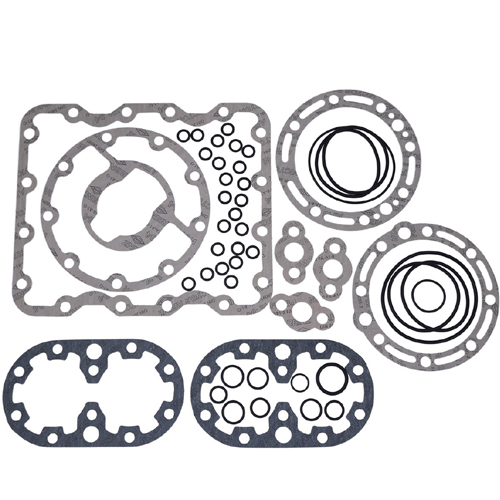
An air compressor gasket kit is a collection of sealing components used during compressor servicing, maintenance and repair. These components help create tight seals between mating surfaces and prevent unwanted air, oil or pressure leakage from different sections of the compressor.
FiltXpert offers industrial sealing and compressor replacement component solutions for buyers looking for an air compressor gasket kit in Mexico. The required kit may include cylinder head gaskets, valve plate gaskets, crankcase gaskets, O-rings, seals and other application-specific components, depending on the compressor design.
Selecting the correct gasket kit is important for maintaining proper sealing at joints and connections. The kit should match the compressor model, component dimensions, material requirements and operating conditions.
What Is an Air Compressor Gasket Kit?
An air compressor gasket kit is a set of gaskets and sealing components designed for specific compressor maintenance or repair requirements. Gaskets are placed between two mating surfaces to help prevent leakage when the components are assembled and tightened correctly.
Depending on the compressor type, a gasket kit may contain flat gaskets, shaped seals, O-rings and other sealing components. These parts are used in different areas, including cylinder heads, valve assemblies, crankcases and other compressor connections.
The exact contents vary between reciprocating and rotary screw compressors. Therefore, buyers should identify the compressor model and required service application before selecting a replacement kit.
Components Included in an Air Compressor Gasket Kit
The components included in a gasket kit depend on the compressor design and maintenance requirement. Common components may include:
1. Cylinder Head Gasket
A cylinder head gasket is installed between the cylinder and cylinder head in suitable reciprocating compressor designs. It helps seal the joint and prevent compressed air from escaping through the mating surfaces.
The replacement gasket must match the cylinder head configuration, dimensions and material requirements.
2. Valve Plate Gasket
Valve plate gaskets are used in certain reciprocating compressors to seal the valve plate assembly and adjoining surfaces. They help prevent unwanted leakage around the intake and discharge valve arrangements.
The gasket profile and thickness should match the compressor's valve assembly.
3. Crankcase Gasket
A crankcase gasket helps seal the joint between crankcase components in compressor designs that use this arrangement. It helps prevent lubricant leakage from the assembled housing.
The material should be suitable for the lubricant and operating environment.
4. Intercooler and Aftercooler Gaskets
Some multi-stage compressor systems use intercoolers and aftercoolers to reduce compressed air temperature at different stages. Their connections may require suitable gaskets or seals.
The required gasket depends on the cooler design, connection dimensions and operating conditions.
5. O-Rings and Sealing Rings
O-rings and sealing rings are used in suitable compressor connections, housings, covers and other assemblies. They help create a seal between mating components.
Their selection depends on groove dimensions, material compatibility, temperature and pressure requirements.
6. Other Compressor Sealing Components
Depending on the compressor model, a gasket kit may also contain cover gaskets, flange gaskets, inspection-cover seals and other specially shaped sealing components.
Always confirm the kit contents against the compressor's parts list or service documentation before ordering.
Types of Air Compressor Gasket Kits
Air compressor gasket kits are selected according to compressor construction and the specific maintenance requirement.
1. Reciprocating Air Compressor Gasket Kit
Reciprocating compressors use pistons moving inside cylinders to compress air. Their gasket kits may include cylinder head gaskets, valve plate gaskets, crankcase gaskets and other sealing components.
The correct kit depends on the compressor model, cylinder arrangement, number of stages and valve configuration.
2. Rotary Screw Compressor Gasket Kit
Rotary screw compressors use intermeshing rotors to compress air. Their sealing requirements differ from those of reciprocating compressors.
Depending on the model, replacement kits may include housing gaskets, O-rings, cover seals and other application-specific components. The exact contents should be verified using the equipment model and parts reference.
3. High Pressure Compressor Gasket Kit
High-pressure compressor applications require sealing components suitable for their specified operating conditions. Material selection, gasket dimensions and joint design are particularly important.
The replacement kit must be selected according to the compressor manufacturer's specifications and the actual pressure and temperature requirements.
4. Custom Air Compressor Gasket Kit
Some compressor models or older machines may require specially shaped gaskets or replacement components with specific dimensions.
Where custom cutting or fabrication is available, gasket requirements can be reviewed using an existing sample, drawing, dimensions or part reference. The material should be selected according to the intended application.
Applications of Air Compressor Gasket Kits
Air compressor gasket kits are used in maintenance and repair work across industries that operate compressed air equipment.
Manufacturing and Engineering Industries
Manufacturing facilities use compressors for pneumatic tools, automation systems and production machinery. Gasket replacement may be required during routine servicing or equipment repair.
Automotive Workshops
Automotive workshops use compressed air for pneumatic tools, tyre inflation equipment and other workshop operations. Suitable compressor sealing components are required when servicing compatible equipment.
Textile Industry
Textile production facilities use compressed air in different pneumatic and machine-related applications. Compressor gasket kits may be required during maintenance of the compressed air equipment.
Pharmaceutical and Food Processing Industries
Compressed air may support equipment operation, packaging and process-related applications. Gasket materials should be selected according to the equipment requirements and applicable hygiene or process standards.
Chemical and Petrochemical Industries
Industrial compressors are used in selected processing and utility applications. Gasket material selection should consider the operating temperature, pressure and compatibility with the lubricant or process medium.
Power Plants and Industrial Utilities
Power generation and utility facilities use compressors for different equipment and plant operations. Replacement gasket kits may be required during planned maintenance and repair activities.
Key Benefits of Using the Correct Compressor Gasket Kit
A correctly selected and installed gasket kit supports the sealing requirements of a compressor assembly.
-
Helps prevent leakage: Suitable gaskets help seal joints and connections between mating surfaces.
-
Supports pressure retention: Proper sealing helps reduce unwanted air leakage from compressor assemblies.
-
Helps prevent oil leakage: Appropriate gaskets and seals help contain lubricant in components designed to hold oil.
-
Supports maintenance work: A compatible kit provides the required sealing components for the intended service task.
-
Reduces repeated dismantling: Correct dimensions and material selection help avoid issues caused by unsuitable replacement components.
-
Supports equipment operation: Properly sealed assemblies help the compressor operate according to its intended design.
Actual results depend on component compatibility, surface condition, correct installation and operating conditions.
Why Do Air Compressor Gaskets Fail?
Gaskets may deteriorate over time because of operating conditions, material ageing and installation-related issues. Common causes include:
Excessive Temperature
Exposure to temperatures beyond the material's specified operating range can cause hardening, deformation or deterioration.
Excessive Pressure
Operating conditions beyond the gasket's design limits can affect sealing performance and may contribute to leakage.
Incorrect Installation
Misalignment, uneven tightening, incorrect bolt loading or improper surface preparation can prevent a gasket from sealing correctly.
Material Deterioration
Ageing, chemical exposure and repeated operating cycles may affect gasket flexibility and sealing properties.
Damaged Mating Surfaces
Scratches, corrosion, uneven surfaces and contamination can affect the contact between the gasket and adjoining components.
Regular inspection and following the recommended maintenance procedure can help identify gasket-related problems before they affect equipment operation.
How to Select the Right Air Compressor Gasket Kit
Before purchasing a replacement gasket kit, check the following details:
-
Compressor type: Identify whether the equipment is a reciprocating, rotary screw or another compressor design.
-
Make and model: Note the compressor brand, model number and equipment identification details.
-
Part number: Check the existing gasket kit reference or individual component part numbers.
-
Kit contents: Confirm which gaskets, O-rings and seals are included in the required set.
-
Dimensions: Check the gasket profile, inner and outer diameters, thickness and bolt-hole positions.
-
Material compatibility: Consider the operating temperature, pressure, lubricant and other substances that may contact the gasket.
-
Application requirements: Identify whether the kit is required for routine servicing, repair or a complete overhaul.
Providing a sample gasket, technical drawing or clear photographs can also help with product identification.
Air Compressor Gasket Kit Manufacturer and Supplier in Mexico
FiltXpert caters to industrial enquiries for compressor sealing products and replacement components. Buyers looking for air compressor gasket kits can share their equipment details and sealing requirements to check the availability of a suitable product.
Whether the requirement involves a cylinder head gasket, valve plate gasket, O-ring or another compressor sealing component, accurate product information helps in identifying the correct replacement.
Why Contact FiltXpert?
-
Industrial sealing enquiries: Discuss compressor gasket and sealing component requirements.
-
Product identification assistance: Share the compressor model, part number or existing gasket photographs.
-
Application-based selection: Provide operating conditions and material requirements for review.
-
Replacement component enquiries: Discuss gasket requirements for compressor servicing and maintenance.
-
Quotation support: Share the required quantity and product details to request a quotation.
Contact Us
Feel Free To Get In Touch With Us
Office Address:
17 Fortune South Industrial Park, S.P.ring road, near Naroda G.I.D.C, nana chiloda, Ahmedabad, Gujarat 382330