Air Compressor Controller Manufacturer and Supplier in Australia
An air compressor controller is an important control component used to monitor and manage the operation of industrial air compressors. It helps regulate compressor functions according to system requirements, operating pressure and equipment configuration. Depending on the controller model, it may support automatic start and stop, pressure monitoring, operating status indication, alarm functions and equipment protection.
In industrial environments, compressed air is required for manufacturing machinery, pneumatic tools, production lines and various automated processes. An appropriate air compressor controller helps manage compressor operation and supports consistent compressed air availability.
FiltXpert is an air compressor controller manufacturer and supplier in Australia, offering compressor control solutions for industrial applications. Whether you require a controller for a replacement project, compressor maintenance or a new installation, selecting a compatible model according to compressor specifications is essential.
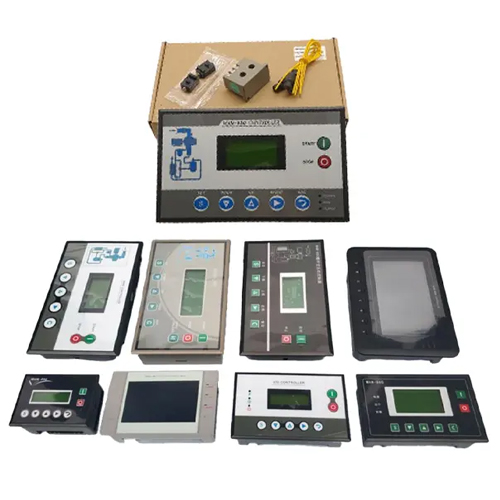
What Is an Air Compressor Controller?
An air compressor controller is an electronic or electromechanical control unit designed to manage different operating functions of an air compressor.
It receives information from connected sensors and control components and uses this information to manage compressor operation. Depending on the system design, a controller may monitor pressure, temperature, operating hours, motor status and other equipment parameters.
Modern compressor controllers may also provide digital displays, programmable operating settings, alarm indications and automatic control functions.
The controller's actual capabilities depend on the compressor type, control architecture and installed features.
How Does an Air Compressor Controller Work?
An air compressor controller manages compressor operation through input signals, programmed settings and output commands.
1. Input Signal Monitoring
The controller receives information from connected components such as pressure sensors, temperature sensors, switches and other monitoring devices.
These inputs help the controller understand the compressor's operating condition.
2. Pressure Monitoring
In systems equipped with pressure monitoring, the controller checks the compressed air pressure against configured operating limits.
This information helps determine when the compressor should start, stop or change its operating condition.
3. Automatic Operation
Depending on the control configuration, the controller can send commands to start or stop the compressor according to pressure requirements and programmed settings.
4. Operating Status Display
A digital controller may display information such as running status, pressure readings, operating hours, temperature and alarm conditions.
The information available varies between controller models.
5. Alarm and Fault Indication
Certain controllers can identify abnormal operating conditions through connected sensors and protection circuits. They may display warnings or trigger shutdown commands when configured fault conditions occur.
6. Compressor Control
The controller manages the compressor according to its programmed logic and electrical control arrangement. Its functions may include motor control, loading and unloading, operating sequence management and protective shutdown.
Types of Air Compressor Controllers
Air compressor controllers are available in different configurations depending on compressor technology and operating requirements.
1. Digital Air Compressor Controller
A digital air compressor controller uses an electronic interface to display operating information and manage compressor functions.
Depending on the model, it may provide pressure readings, temperature monitoring, operating hours, alarm indications and programmable settings.
Applications:
-
Industrial air compressors
-
Manufacturing facilities
-
Engineering workshops
-
Automated compressed air installations
2. Microprocessor-Based Air Compressor Controller
Microprocessor-based controllers use programmed logic to manage compressor operation and monitor connected inputs.
They may support automatic start and stop, operating status monitoring, alarm functions and other control features according to the installed configuration.
Applications:
-
Industrial screw compressors
-
Advanced compressor systems
-
Automated production facilities
-
Industrial compressed air plants
3. Reciprocating Air Compressor Controller
A reciprocating compressor controller manages the operating functions of compatible piston compressors.
Depending on the compressor design, it may support pressure-based start and stop operation, motor control and protective functions.
Applications:
-
Workshop air compressors
-
Industrial piston compressors
-
Engineering and fabrication units
-
Small and medium industrial installations
4. Screw Air Compressor Controller
A screw air compressor controller is designed to manage compatible rotary screw compressor systems.
Depending on the model, it may control loading and unloading, monitor operating parameters, display alarms and manage compressor operating sequences.
Applications:
-
Manufacturing plants
-
Industrial production facilities
-
Textile industries
-
Continuous compressed air installations
5. Variable Frequency Drive (VFD) Compressor Controller
Certain compressor systems use a variable frequency drive to adjust motor speed according to compressed air demand.
A compatible control system can coordinate the VFD and compressor operation to regulate output according to the system's requirements.
VFD-based control is not suitable for every compressor. Compatibility with the motor, drive, compressor design and control system must be confirmed.
Key Features of an Air Compressor Controller
When selecting an air compressor controller, consider the following functions and specifications:
-
Pressure monitoring: Displays or monitors system pressure through compatible sensors.
-
Automatic start and stop: Supports automatic compressor operation according to configured pressure limits.
-
Digital display: Shows operating information such as pressure, temperature or running status, depending on the model.
-
Alarm indication: Provides warnings for specified abnormal operating conditions.
-
Temperature monitoring: Monitors compressor temperature when the required sensor and control functions are available.
-
Operating hour monitoring: Records compressor running hours in compatible models.
-
Load and unload control: Manages compressor loading and unloading where supported by the compressor design.
-
Motor protection: Works with compatible electrical protection and control arrangements.
-
Programmable settings: Allows authorised users to configure operating parameters according to the equipment requirements.
-
Communication functions: Certain advanced models may support remote monitoring or communication with external control systems.
Not every controller includes all these features. Always check the product datasheet and wiring specifications before selecting a model.
Applications of Air Compressor Controllers
Air compressor controllers are used across industries where compressed air equipment requires controlled and monitored operation.
1. Manufacturing Industries
Manufacturing plants use compressed air for pneumatic machinery, production equipment and automated processes. Controllers help manage compressor operation according to the system's air demand.
2. Automotive Industries
Automotive manufacturing facilities and workshops use compressed air for pneumatic tools, assembly operations and other equipment. Suitable controllers help manage compressor operating functions.
3. Textile Industries
Textile manufacturing facilities use compressed air in different production and pneumatic applications. Compressor controllers support the management of compressed air equipment.
4. Pharmaceutical Industries
Compressed air systems are used in pharmaceutical production and packaging environments. Suitable compressor controls help manage equipment operation, while air quality must be maintained through appropriate filtration and drying systems.
5. Food and Beverage Industries
Air compressors support different production, packaging and processing operations. Controllers help manage compressor functions according to equipment requirements. Applications involving product-contact air require appropriate air treatment and quality controls.
6. Engineering and Fabrication Units
Engineering and fabrication workshops use compressed air for pneumatic tools, machinery and industrial operations. Air compressor controllers help regulate the operation of compatible compressor systems.
7. Chemical and Process Industries
Industrial compressors may supply compressed air to different process and control applications. Controllers help monitor and manage the operating functions of compatible equipment.
Benefits of Using a Suitable Air Compressor Controller
A compatible compressor controller supports effective equipment management and helps simplify routine operation.
-
Automatic operation: Reduces the need for repeated manual start and stop commands where automatic control is supported.
-
Operating monitoring: Helps operators check important compressor parameters.
-
Pressure management: Supports pressure-based compressor control through compatible sensors and settings.
-
Fault indication: Helps identify certain abnormal operating conditions through alarms and monitoring functions.
-
Maintenance planning: Operating hour records in supported models can assist with maintenance scheduling.
-
Equipment protection: Compatible control and protection functions can help prevent operation under specified unsafe conditions.
-
Operational management: Supports organised compressor operation in industrial environments.
-
System integration: Compatible controllers can work with suitable sensors, drives and electrical control arrangements.
Actual benefits depend on the controller's features, compressor configuration, installation and operating conditions.
How to Choose the Right Air Compressor Controller
Selecting the correct controller requires checking the compressor's technical and electrical requirements.
1. Identify the Compressor Type
Determine whether the compressor is reciprocating, rotary screw or another design. Controller compatibility varies according to compressor technology.
2. Check the Compressor Make and Model
The compressor brand and model help identify the appropriate controller and its supported functions.
3. Verify Electrical Specifications
Check the controller's supply voltage, frequency, input requirements, output ratings and wiring arrangement.
4. Confirm Motor Compatibility
The controller must be compatible with the compressor motor and its electrical control system. Motor starter, contactor and VFD requirements should also be reviewed.
5. Review Pressure Monitoring Requirements
Check whether the compressor uses a pressure switch, analogue pressure sensor or another monitoring arrangement. The controller must support the relevant input.
6. Identify Required Control Functions
Determine whether the application requires automatic start and stop, load and unload control, temperature monitoring, alarm indication or additional operating functions.
7. Check Sensor Compatibility
Verify the type and specifications of pressure sensors, temperature sensors and other input devices connected to the controller.
8. Review Display and Communication Features
If the application requires digital displays, remote monitoring or external communication, confirm that the selected controller supports those functions.
9. Confirm Mounting and Wiring Arrangements
Check the controller's dimensions, panel mounting requirements, connector configuration and wiring diagram before installation.
Common Problems With Air Compressor Controllers
A compressor controller may show abnormal behaviour due to sensor faults, electrical issues, incorrect settings or problems elsewhere in the compressor system.
1. Controller Not Turning On
Possible causes include an interrupted power supply, loose wiring, a blown fuse or an internal controller fault.
2. Incorrect Pressure Reading
Incorrect readings may occur due to a faulty pressure sensor, damaged wiring, unsuitable sensor configuration or incorrect calibration.
3. Compressor Not Starting Automatically
Possible causes include incorrect pressure settings, an active alarm, control circuit problems or an input signal issue.
4. Compressor Stopping Unexpectedly
Unexpected shutdown may be related to configured protection limits, temperature alarms, motor protection trips, sensor faults or other equipment problems.
5. Frequent Alarm Indications
Repeated alarms may indicate unstable sensor readings, overheating, pressure abnormalities or other operating issues. The displayed alarm code should be checked against the controller manual.
6. Load and Unload Control Problems
In compatible screw compressor systems, incorrect sensor signals, wiring issues or control settings may affect loading and unloading operation.
A qualified technician should inspect the controller, wiring and associated compressor components before replacing the unit.
Maintenance Tips for Air Compressor Controllers
Proper inspection and maintenance help support reliable controller operation.
-
Check the controller display for warning messages and fault codes.
-
Inspect electrical connections for looseness or visible damage.
-
Check connected pressure and temperature sensors.
-
Keep the control panel clean and free from excessive dust.
-
Ensure adequate ventilation around the electrical enclosure.
-
Verify configured operating limits and control settings.
-
Inspect wiring according to the compressor manufacturer's recommendations.
-
Keep a record of recurring alarms and equipment shutdowns.
-
Use compatible replacement controllers and components.
-
Arrange servicing through a qualified technician.
Safety note: Always isolate the electrical supply before inspecting or servicing controller wiring. Follow the compressor manufacturer's electrical safety and installation instructions.
Air Compressor Controller Manufacturer in Australia – FiltXpert
FiltXpert offers industrial air compressor components and replacement products for different compressed air system requirements. Its product range includes air compressor controllers, air compressor valve kits, intake valves, auto drain valves, compressor hose pipe assemblies, filter housings and industrial filtration products.
As an air compressor controller manufacturer in Australia, FiltXpert aims to address compressor control requirements through suitable product options. Controller selection should be based on compressor specifications, electrical compatibility and required operating functions.
Customers can share their compressor brand, model number, existing controller details and application requirements to enquire about a suitable replacement or control solution.
Air Compressor Controller Supplier for Industrial Applications
Choosing a suitable air compressor controller supplier is important when replacing an existing controller or selecting a unit for an industrial compressor installation.
FiltXpert supports product enquiries for industrial compressor components. To help identify a compatible controller, customers should provide:
-
Compressor brand and model.
-
Existing controller model or part number.
-
Compressor type.
-
Supply voltage and electrical specifications.
-
Motor and starter configuration.
-
Pressure sensor details.
-
Required control functions.
-
Existing controller photographs or wiring references.
-
Required quantity.
Contact Us
Feel Free To Get In Touch With Us
Office Address:
17 Fortune South Industrial Park, S.P.ring road, near Naroda G.I.D.C, nana chiloda, Ahmedabad, Gujarat 382330